


UNESCO-UNEVOC periodicals
The UNEVOC Quarterly is the Centre’s newsletter. It is published four times a year in English and French. Subscribe to the UNEVOC Quarterly.
The IAG Newsletter reports about activities of members of the Inter-Agency Group on Technical and Vocational Education and Training (IAG-TVET).
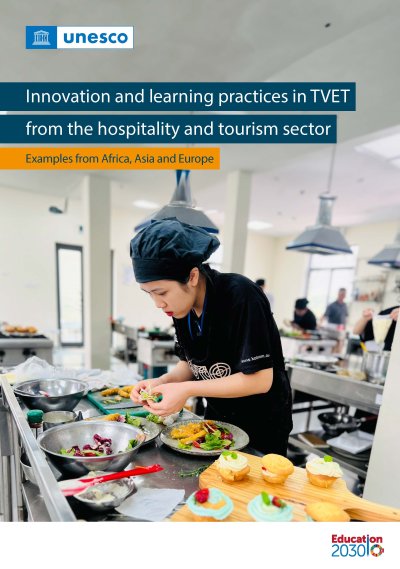

Innovation and learning practices in TVET from the hospitality and tourism sector
Examples from Africa, Asia and Europe
This publication presents 10 Innovation and Learning Practices that were selected based on their contribution to identifying new qualifications and competencies in an efficient manner, integrating them into appealing curricula and training regulation ...
 view
view  read more

Apprenticeship at Vocational High Schools in the Republic of Korea
The Apprenticeship Programme Project targeting specialized high schools has been jointly conducted by the Ministry of Education and the Ministry of Employment and Labour since 2014. Those schools designated to implement this project operate the cours ...
 download read more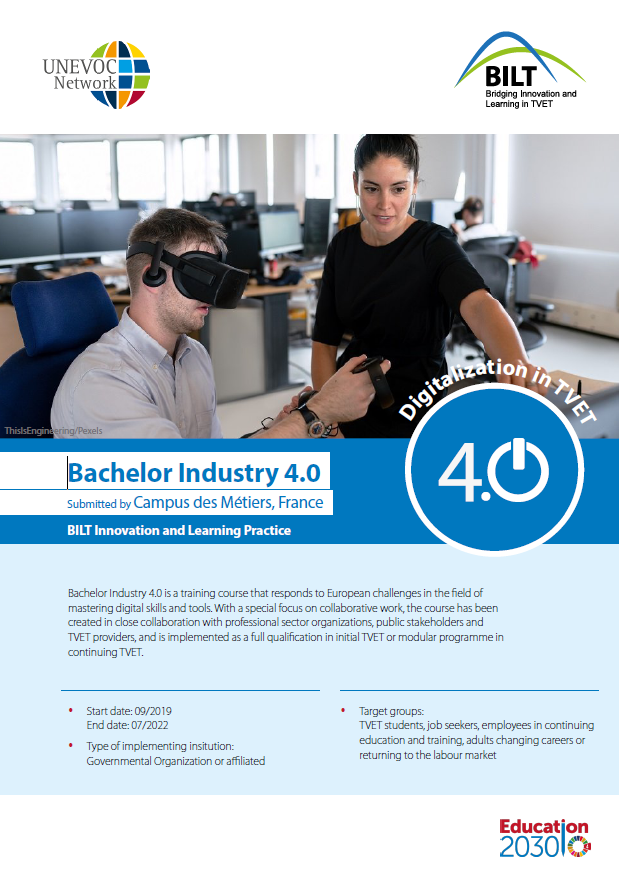
Bachelor Industry 4.0
Submitted by Campus des Métiers, France
Bachelor Industry 4.0 is a training course that responds to European challenges in the field of mastering digital skills and tools. With a special focus on collaborative work, the course has been created in close collaboration with professional secto ...
download read more 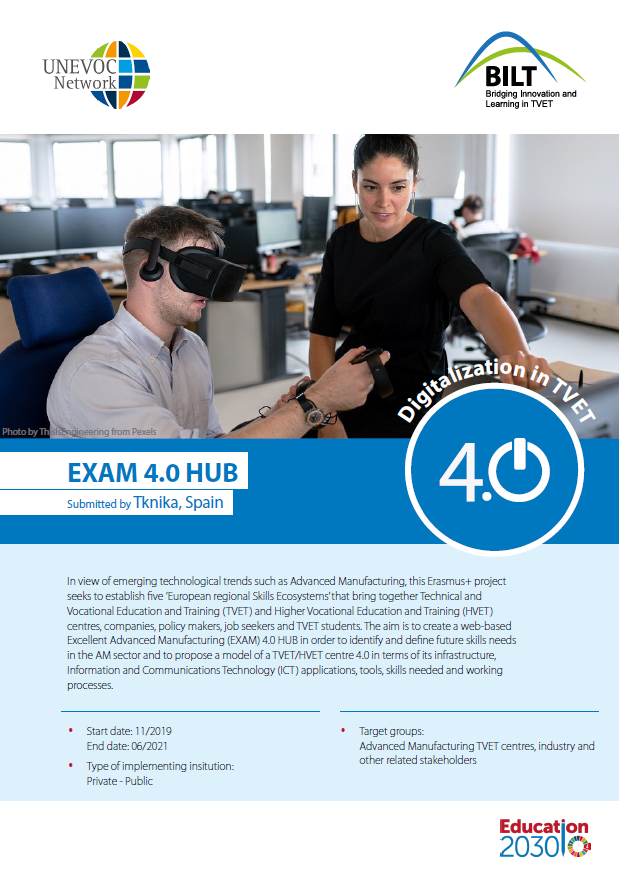
EXAM 4.0 HUB
Submitted by Tknika, Spain
In view of emerging technological trends such as Advanced Manufacturing, this Erasmus+ project seeks to establish five ’European regional Skills Ecosystems’ that bring together Technical and Vocational Education and Training (TVET) and Higher Voc ...
download read more 
Digital competencies for the labour market
Submitted by SFIVET, Switzerland
The ongoing digital transformation of the workplace has a corresponding impact on TVET occupations, qualifications and competencies. This research project investigates the changes occurring on the Swiss labour market arising from digitalization and i ...
download read more 
Understanding the return on investment from TVET. A practical guide
Strengthening technical and vocational education and training (TVET) is an important strategy to contribute to equitable, inclusive and sustainable economies and societies. Indeed, one of the Sustainable Development Goals focuses on ensuring ‘inclu ...
download read more 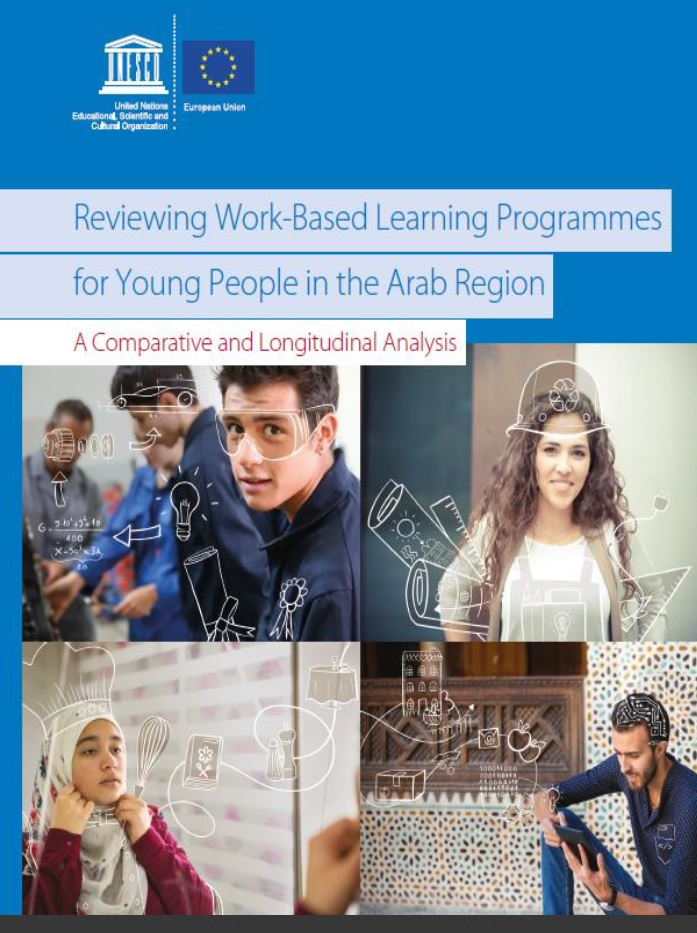

Reviewing Work-Based Learning Programmes for Young People in the Arab Region
A Comparative and Longitudinal Analysis
This report is based on eight country case studies and seeks to inform policymakers and practitioners in the Arab States, including private sector and civil society about how to design and manage effective work-based learning programmes targeting you ...
download read more 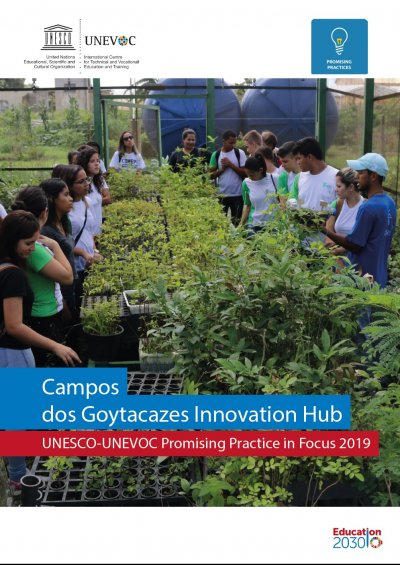
Developing innovative solutions to community problems
UNESCO-UNEVOC Promising Practice
Access to technical and higher education along with skills development programmes have become important tools to tackle poverty in Brazil. By recognizing that innovation takes place at the forefront of learning, PICG Innovation Hub enables its studen ...
download read more 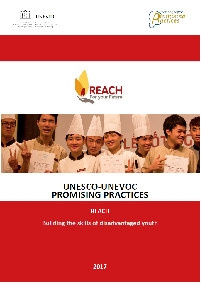
Providing demand-driven skills training to disadvantaged youth
UNESCO-UNEVOC Promising Practice
As Viet Nam’s economy has modernized, demand has increased for skilled labour. This has resulted in diminished prospects for youth in finding formal employment. REACH is a local non-governmental organization that trains young people, particularly t ...
download read more 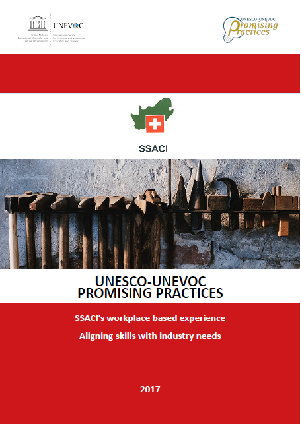
The Workplace-based Experience Programme
UNESCO-UNEVOC Promising Practice
Recognizing the need for better quality TVET courses that are more relevant and more effective in enabling youth to find employment, SSACI, a non-profit, public-private partnership, established a workplace-based experience (WBE) programme in 50 publi ...
download read more 
UNESCO-UNEVOC virtual conference: Measuring the return on investment in TVET
9 to 16 May 2016
The virtual conference sought to inform the wider technical and vocational education and training (TVET) community about a collaborative research project currently undertaken by the NCVER and UNESCO-UNEVOC which aims to explore the different benefits ...
download read more 
Why Do German Companies Invest in Apprenticeships? The "Dual System" Revisited
What are the conditions behind the success of the German apprenticeship system, known as the "dual system of vocational education and training"? What are the main considerations of German companies and private sector institutions when financing t ...
view read more Contact

