




Discussion forum
Project documents
Network visualization map
Home: The i-hubs initiative | Project timeline | What is the i-hub? | Who are the i-hubs?
Recent developments: General Project News | News from the i-Hubs
Guided Self-Assessment: About | Calendar | Indicative Programme
Innovation Toolbox: The Balanced Scorecard | Skills and Innovation Ecosystem Map
Knowledge resources: Publications | Other useful resources
Networking for innovation: Discussion forum | Project documents | Network visualization map
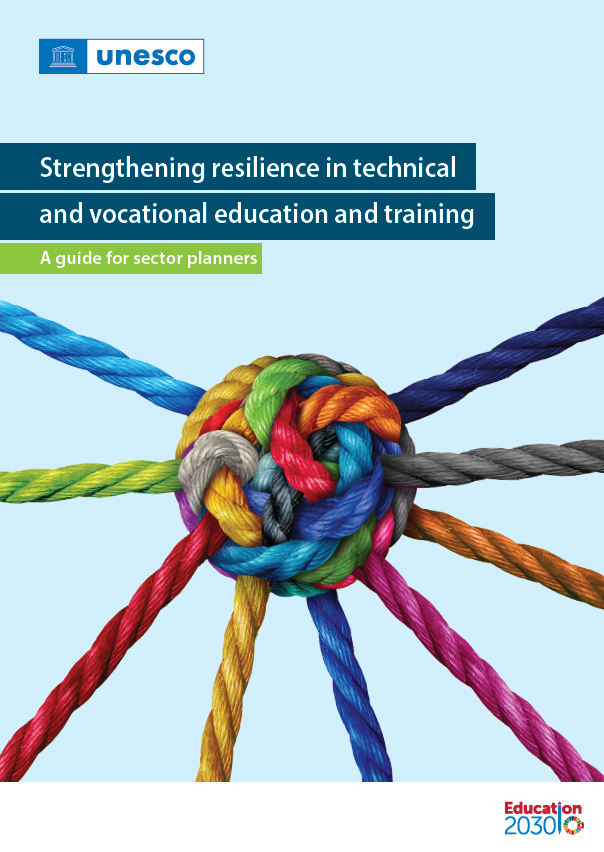


A guide for sector planners
In 2024, an estimated 116 million people required humanitarian assistance due to conflicts, climate change and public health emergencies (UN OCHA Annual Report, 2024). Amid escalating global crises, the education and training sector needs to respond ...
 view
view  read more
Newsletter - December 2025
This edition, the Inter-Agency Group is casting its spotlight on activities implemented in the Asia-Pacific region, as the second IAG-TVET meeting takes place on the 2 December 2025, in Manila, hosted by the Asian Development Bank.
In this Newslet ...
 download read more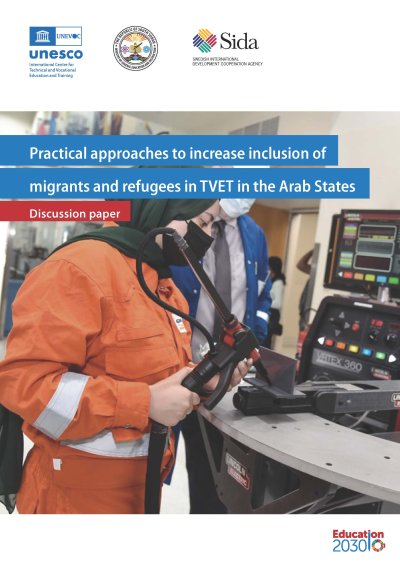
Discussion paper
Migration is increasing due to political and economic instability, with the Arab States experiencing a substantial rise in refugees, migrants, and internally displaced persons. In response, this study, initiated by UNESCO-UNEVOC in collaboration with ...
view read more 
This guide provides actionable strategies for building inclusive TVET systems. It promotes collaboration among NGOs, private sector actors and education providers to ensure no learner is left behind. This hands-on guide shows how to move beyond ident ...
view read more 
Cedefop-UNEVOC practical guide 4
This publication is the fourth in a series of practical Cedefop skills anticipation guides for policymakers, analysts, and expert professionals. The three previous guides presented a rich mosaic of conventional and emerging methods for identifying te ...
download read more 
The Inter-Agency Group on Technical and Vocational Education and Training (IAG-TVET), originally convened by UNESCO in 2008, aims to ensure a good coordination of activities by the key international organizations involved in the delivery of policy ad ...
download read more 
These Greening TVET guidelines provide a comprehensive framework to promote sustainable development within TVET institutions. By showing how to embed environmental sustainability and gender equity into institutional practices, the guidelines aim to e ...
download read more 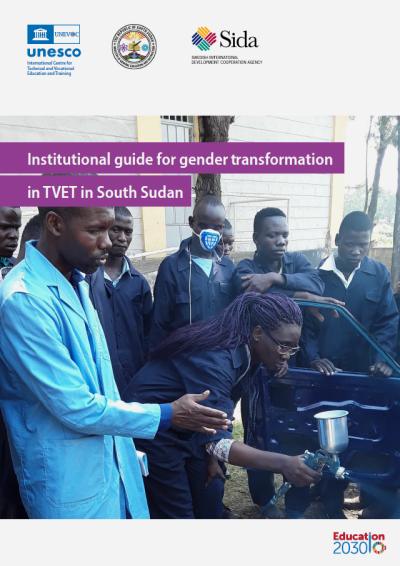
This gender-transformative TVET guideline reflects UNESCO’s commitment to an education system that not only equips learners with essential skills for the workforce but also empowers marginalized communities – particularly women and girls – thro ...
download read more 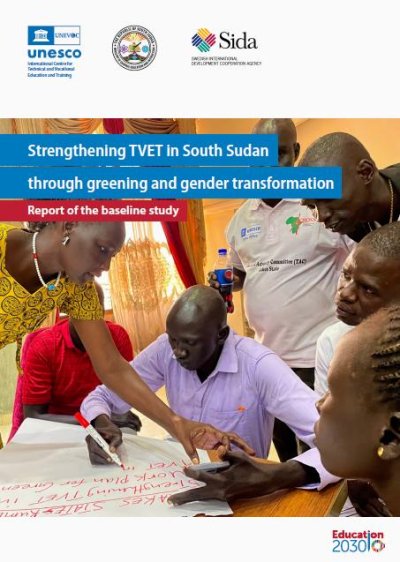
Report of the baseline study
The Government of South Sudan, in collaboration with UNESCO, is implementing a project with the aim of strengthening TVET in South Sudan. The project commissioned a baseline study to engage stakeholders in an in-depth discussion to unpack what they c ...
download read more 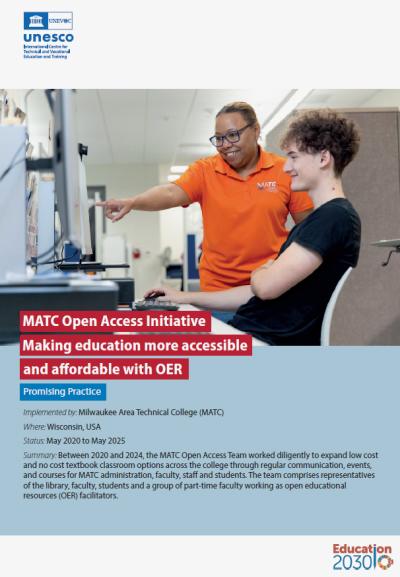

Making education more accessible and affordable with OER
During the COVID-19 pandemic, the Milwaukee Area Technical College (MATC) formed an Open Access Team to promote high-quality, open access materials. The team included a faculty coordinator, library liaison, student ambassador and part-time faculty as ...
download read more 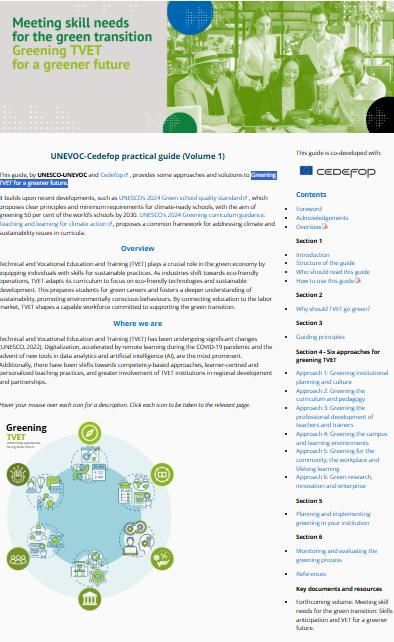
UNESCO-UNEVOC/Cedefop practical guide Vol 1
This practical guidance was developed jointly by UNESCO-UNEVOC and Cedefop, with contributions from experts and partners in TVET. The online resource offers solutions for enhancing a TVET system's response to meet the needs for the green transition. ...
view read more 
Education is a basic human right and a global public good with the power to transform individual lives, communities and the planet for the better over generations. UNESCO’s Education Sector provides global and regional leadership to ensure every ch ...
view read more 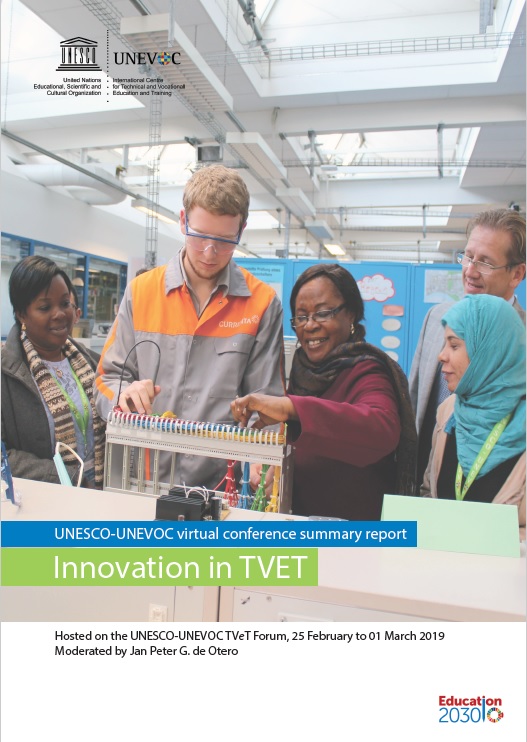
25 February to 01 March 2019
Discussions at UNESCO-UNEVOC’s Learning Forum underlined that new and radical shifts are needed to ensure that TVET systems can respond to these changes and that TVET systems can no longer just operate according to a ‘business-as-usual’ model. ...
download read more 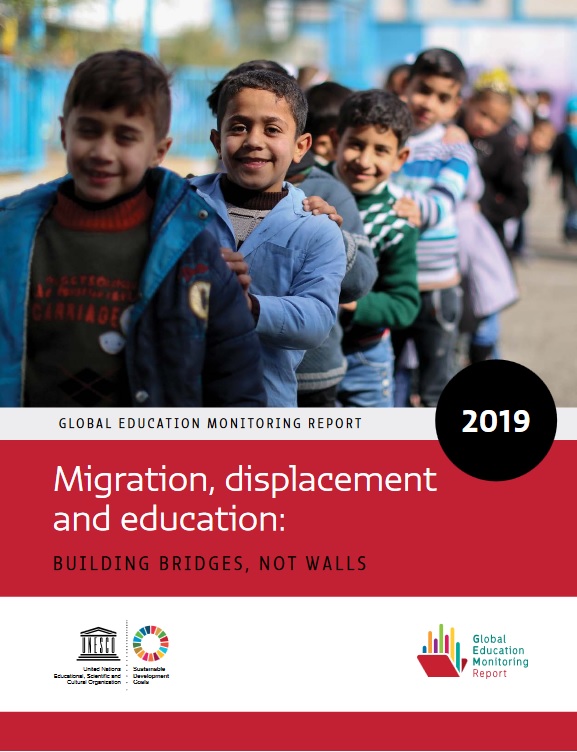
Migration, displacement and education: Building bridges, not walls
The 2019 Global Education Monitoring Report examines the education impact of migration and displacement across all population movements: within and across borders, voluntary and forced, for employment and education. It also reviews progress on educat ...
download read more 
Linking technical and vocational education and training with post-secondary education
Until recently, few graduates of technical and vocational education and training (TVET) aspired to further learning, particularly higher education. But higher-level qualifications are now a common expectation among young people, reflecting increased ...
download read more 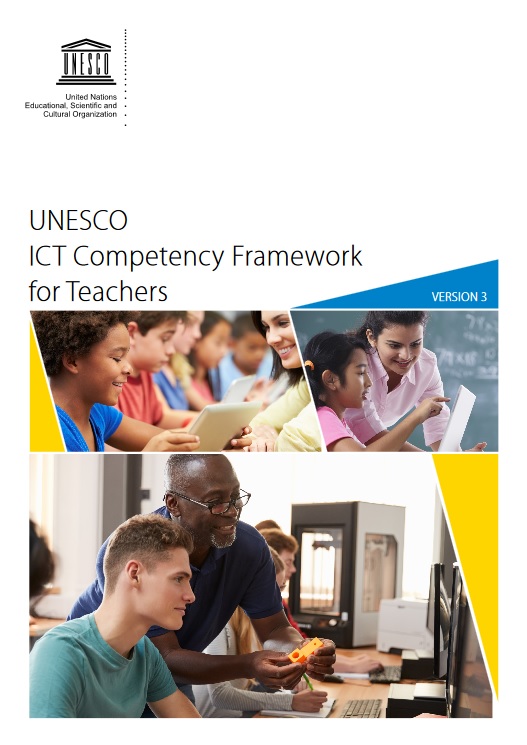
Version 3
The ICT Competency Framework for Teachers (ICT CFT) Version 3 is a tool to guide pre- and in- service teacher training on the use of ICTs across the education system. It is intended to be adapted and contextualized to support national and institution ...
download read more 
Implications for the recognition of learning across borders
Digital technologies are creating new opportunities and challenges for skills development and recognition globally. Changes in modalities of access and learning methods, massification and internationalization, are taking place at an increasingly rapi ...
download read more 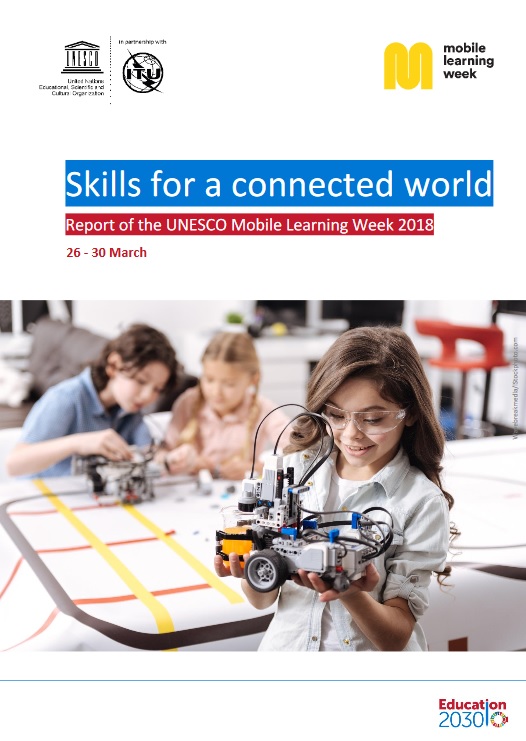
Report of the UNESCO Mobile Learning Week 2018, 26-30 March 2018
All over the world, the way we educate and are educated is changing. New technologies, platforms and ways of reading the world are transforming the philosophies underpinning education pedagogies and modes of delivery. New voices, hitherto unheard, ar ...
download read more 
Today, technical and vocational skills development is considered to be a crucial vehicle for sustainable development. Many ministries of government, the private sector and other stakeholders, have an interest in technical and vocational skills develo ...
download read more 
Key highlights of the UNESCO-UNEVOC TVET Learning Forum
At the international conference in Tangshan in 2017, UNESCO put a spotlight on the factors shaping the future technical and vocational education and training (TVET) landscape. These included shifts in the development paradigm towards sustainable deve ...
download read more 
What conclusions can we draw from international comparative indicators?
This report looks at the conditions impacting the development of digital skills based on five international comparative surveys, the results of which reveal a sample group of twelve countries whose population have particularly high levels of digital ...
download read more 
The private sector contribution
The international community has set an ambitious 2030 Agenda for Sustainable Agenda and education and training are central to its achievement. In this context, the international community also adopted a framework for action “Education 2030 Agenda†...
download read more 
This discussion paper concerns recent trends and major challenges in developing effective and trustworthy representation of skills, competencies and qualifications. It starts with the recognition that today’s learning opportunities are limitless, b ...
download read more 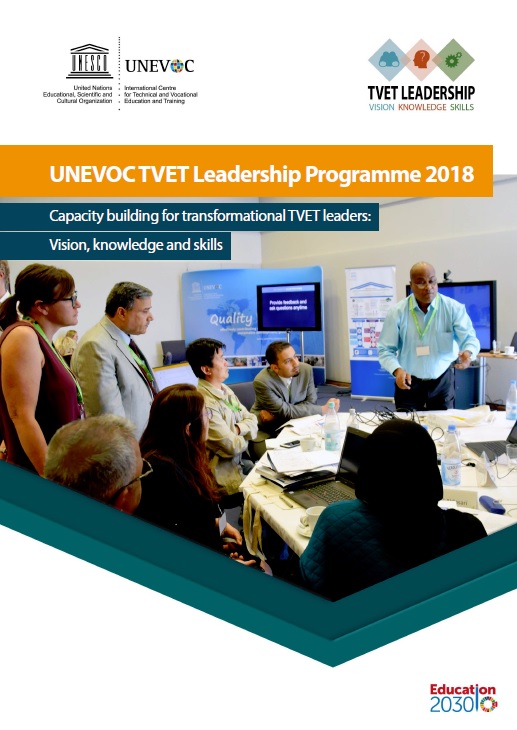
Capacity building for transformational TVET leaders: Vision, knowledge and skills
The following report gives an overview of UNESCO-UNEVOC's TVET Leadership Programme 2018, held in Bonn, Germany, from 25 June to 6 July.
download read more 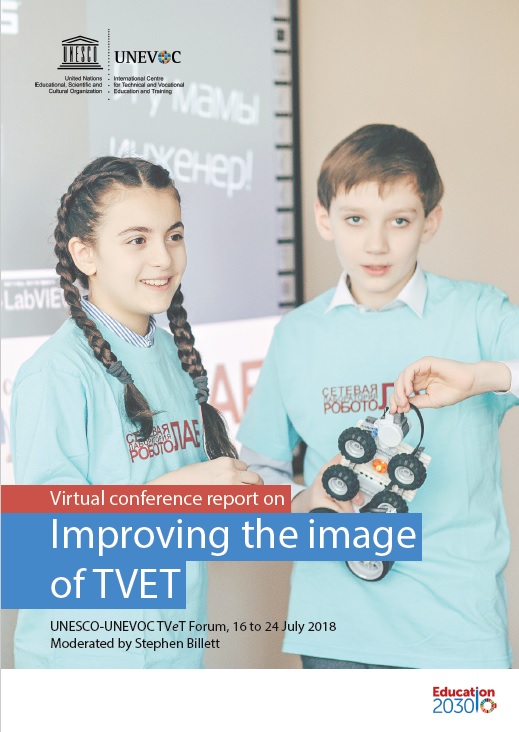
16 to 24 July 2018
Organized on the occasion of World Youth Skills Day 2018, the virtual conference focused on improving the image of TVET and initiated, guided and synthesised a range of perspectives, evidence and advice about the factors influencing the image of TVET ...
download read more 


Stay in touch