




Discussion forum
Project documents
Network visualization map
Home: The i-hubs initiative | Project timeline | What is the i-hub? | Who are the i-hubs?
Recent developments: General Project News | News from the i-Hubs
Guided Self-Assessment: About | Calendar | Indicative Programme
Innovation Toolbox: The Balanced Scorecard | Skills and Innovation Ecosystem Map
Knowledge resources: Publications | Other useful resources
Networking for innovation: Discussion forum | Project documents | Network visualization map
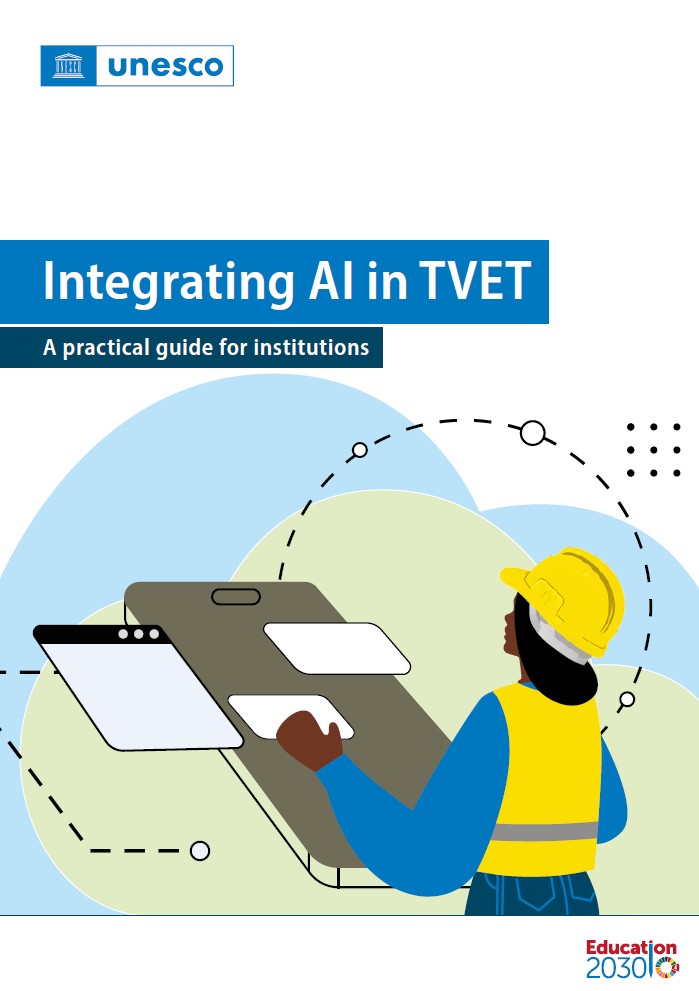


A practical guide for institutions
Artificial intelligence (AI) is becoming part of everyday life and the fast-evolving world of work. This is creating a gap between how people already use AI and the formal training required to do so ethically and effectively. Technical and vocational ...
 view
view  read more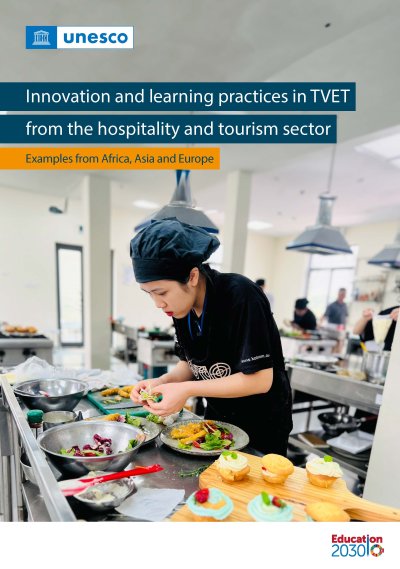
Examples from Africa, Asia and Europe
This publication presents 10 Innovation and Learning Practices that were selected based on their contribution to identifying new qualifications and competencies in an efficient manner, integrating them into appealing curricula and training regulation ...
view read more 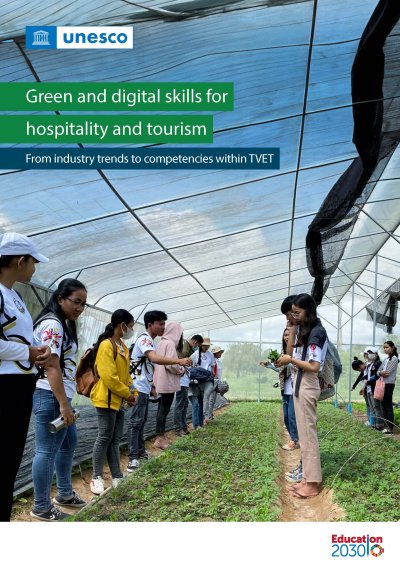
From industry trends to competencies within TVET
This publication proposes approaches to facilitate the dual transition in hospitality and tourism, structured around the identification of emerging green and digital competencies in a timely manner, their integration into future-oriented curricula, a ...
view read more 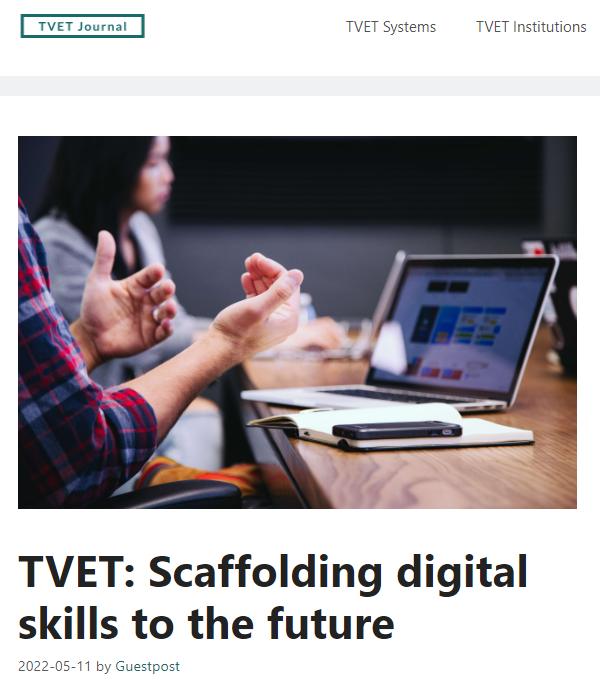
While the key role of digital competence is well-acknowledged in meeting the needs of Industry 4.0 and the new demands of the digital economy and society, COVID-19 has exposed, with urgency and intensity, the importance of building digital competence ...
view read more 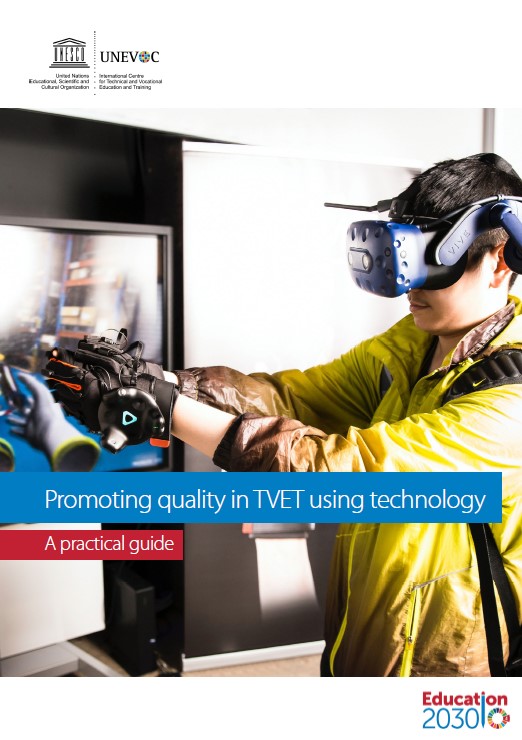
A practical guide
Technology has altered many aspects of life, including education and training. As a result of technological developments, technical and vocational education and training (TVET) has become more accessible to students, and the quality of education and ...
 download read more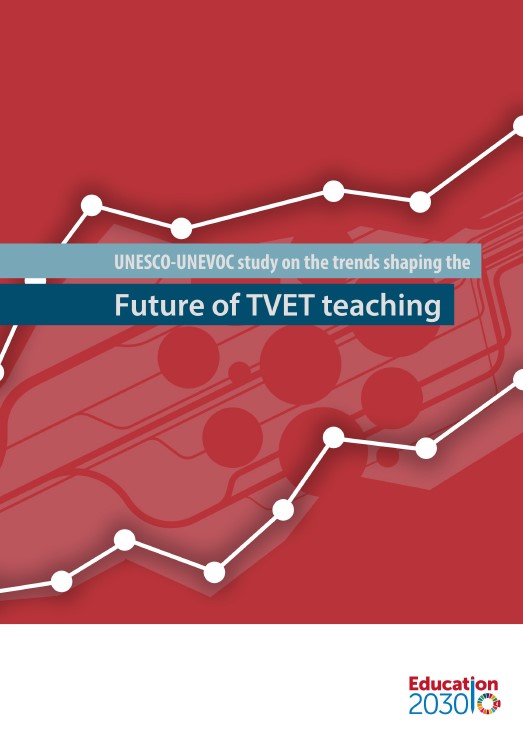
The following report presents the results of the trends mapping study on the future of technical and vocational education and training (TVET) teaching, conducted by UNESCO-UNEVOC. The study aimed to engage the international TVET community to: (i) imp ...
download read more 
This policy brief examines the impact of the COVID-19 crisis on vocational education and training (VET)systems and how VET systems are responding in OECD countries. The brief also presents steps that governments can take in the context of this crisis ...
download read more 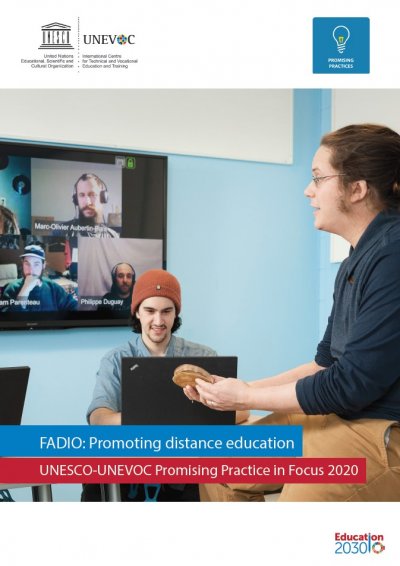

UNESCO-UNEVOC Promising Practice
FADIO represents a unique collaborative initiative that takes full advantage of education in a digital environment. Not all educational institutions have the resources to develop the pedagogical and technical aspects related to distance education on ...
download read more 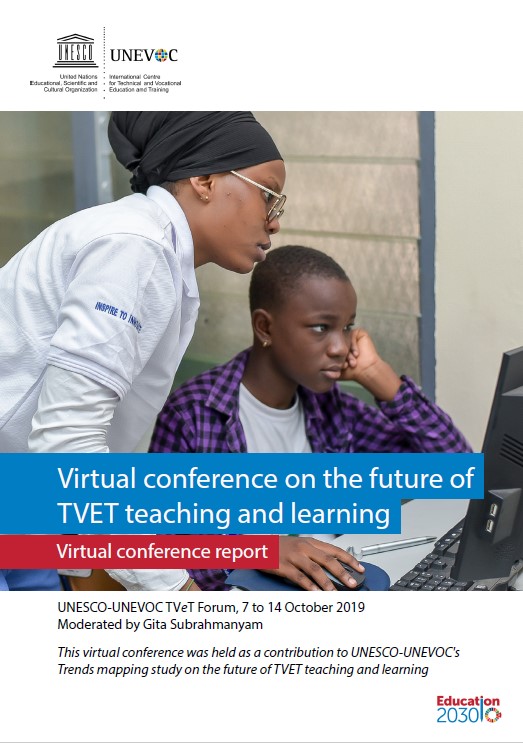
7 to 14 October 2019
UNESCO’s 2015 Recommendation concerning technical and vocational education and training (TVET) reminds us that TVET in all forms and settings should be oriented to equipping all youth and adults with relevant knowledge, skills and competencies for ...
download read more 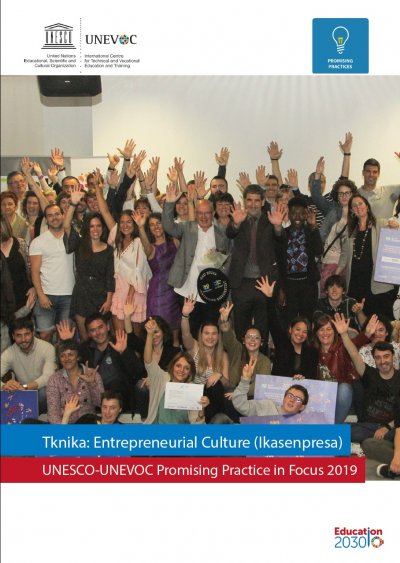
UNESCO-UNEVOC Promising Practice
TKNIKA is a centre established by the Basque Deputy Ministry of Vocational Education and Training to promote innovation, creativity, and entrepreneurship in vocational education and training (VET) centres across the region. As part of its mandate, T ...
download read more 
This book provides a rich collection of research and practice perspectives around central topics in the field of work-based learning (WBL). Based on an extensive prior literature review of the current state of research on WBL in TVET contexts on a gl ...
view read more 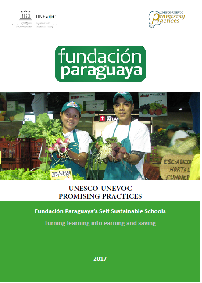
UNESCO-UNEVOC Promising Practice
In Latin America, secondary school drop-out rates are high, partly because many youth feel that the type of education they receive at school does not offer any guarantee of future employment. Recognizing the need for practical training that gives you ...
download read more 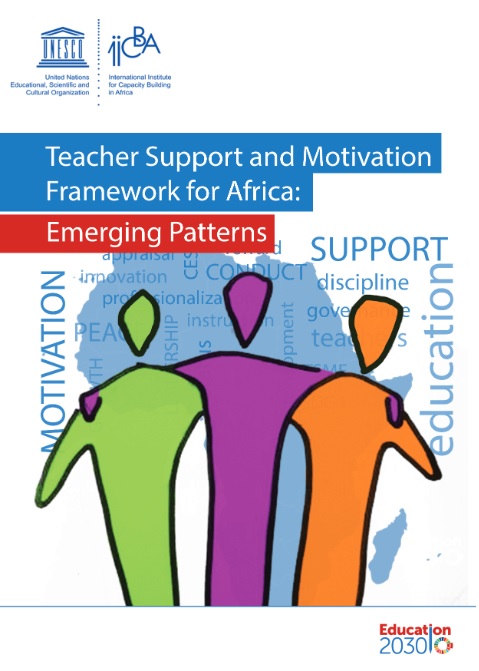
Emerging patterns
This publication, a critical literature review and analytical framework, is part of the initial phase of
the development of UNESCO-IICBA’s Teacher Support and Motivation Framework (TSMF) for Africa. It also serves as a resource for African countr ...
download read more 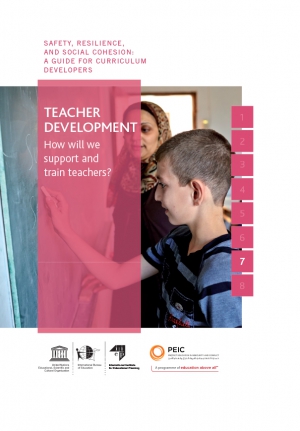
SAFETY, RESILIENCE, AND SOCIAL COHESION: A GUIDE FOR CURRICULUM DEVELOPERS
Teachers are the key to successful learning and have a special role in education for learning to live together (LTLT) and disaster risk reduction (DRR). If the teacher does not convey respect for members of all ethnic groups, for example, lessons on ...
download read more 
How are our teachers teaching in schools in the Asia-Pacific region? Do their pedagogical practices meet the needs of the 21st century? What is required to change teaching and learning? Through case studies on changing pedagogical landscapes in seve ...
download read more 



Stay in touch