





Discussion forum
Project documents
Network visualization map
Home: The i-hubs initiative | Project timeline | What is the i-hub? | Who are the i-hubs?
Recent developments: General Project News | News from the i-Hubs
Guided Self-Assessment: About | Calendar | Indicative Programme
Innovation Toolbox: The Balanced Scorecard | Skills and Innovation Ecosystem Map
Knowledge resources: Publications | Other useful resources
Networking for innovation: Discussion forum | Project documents | Network visualization map
ICT CFT/OER Hub - Online resource
This hub contains collections of Open Educational Resources (OER) curated by UNESCO and partner countries, which are aligned with the UNESCO ICT Competency Framework for Teachers (CFT). Here you can discover content and connect with other educators w ...
 view
view  read more


A practical guide for institutions
Artificial intelligence (AI) is becoming part of everyday life and the fast-evolving world of work. This is creating a gap between how people already use AI and the formal training required to do so ethically and effectively. Technical and vocational ...
view read more 
Strategies for digital transformation and AI integration
This discussion paper was developed from the ongoing work of UNESCO-UNEVOC, particularly through its Bridging Innovation and Learning in TVET (BILT) project. It primarily draws from the BILT Bridging Event that took place in May 2025 in Kuala Lumpur, ...
view read more 
Embracing digitalization, greening and migration trends
There is an urgent need to expand the skilled workforce and promote green practices in the building and construction industry. The sector, currently employing approximately 7 per cent of the global working population, accounts for over a third of glo ...
view read more 
World Youth Skills Day 2025
Drawing on insights from over 4,000 respondents across 128 countries, this survey report examines how young people are navigating both the opportunities and challenges of the digital era. While 62% of youth are already using AI in real-world contexts ...
 download read more
Examples from Africa, Asia and Europe
This publication presents 10 Innovation and Learning Practices that were selected based on their contribution to identifying new qualifications and competencies in an efficient manner, integrating them into appealing curricula and training regulation ...
view read more 
From industry trends to competencies within TVET
This publication proposes approaches to facilitate the dual transition in hospitality and tourism, structured around the identification of emerging green and digital competencies in a timely manner, their integration into future-oriented curricula, a ...
view read more 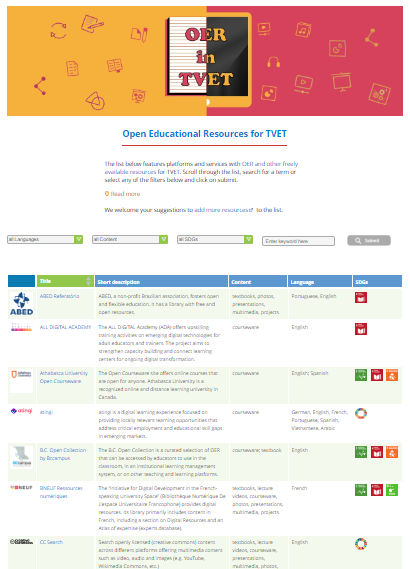
List of platforms and services providing Open Educational Resources for TVET
The list covers a wide range of formats including teaching materials, textbooks, lecture videos, and other free and open resources, that meet the diverse needs of the global TVET community.
view read more 
Publicly available generative AI (GenAI) tools are rapidly emerging, and the release of iterative versions is outpacing the adaptation of national regulatory frameworks. The absence of national regulations on GenAI in most countries leaves the data p ...
view read more 
Guidelines for countries to undertake a strategic planning framework
These guidelines follow the publication of Digital Transformation of TVET and Skills Development Systems in Africa - Guidelines for countries to undertake a situational analysis (‘the Situational Analysis Guidelines’).
In concert with the situ ...
download read more 
Guidelines for countries to undertake a situational analysis
The Pan African Initiative for the Digital Transformation of TVET and Skills Development Systems in Africa (‘the initiative’) was launched on 9 March 2021. The initiative’s overall objective is to create an ecosystem that will enable and accele ...
download read more 
While the key role of digital competence is well-acknowledged in meeting the needs of Industry 4.0 and the new demands of the digital economy and society, COVID-19 has exposed, with urgency and intensity, the importance of building digital competence ...
view read more 
Digitalization has led to extensive changes in the skills required for work and life. For technical and vocational education and training (TVET) institutions to remain relevant and attractive, they need to identify and introduce digital skills and co ...
download read more 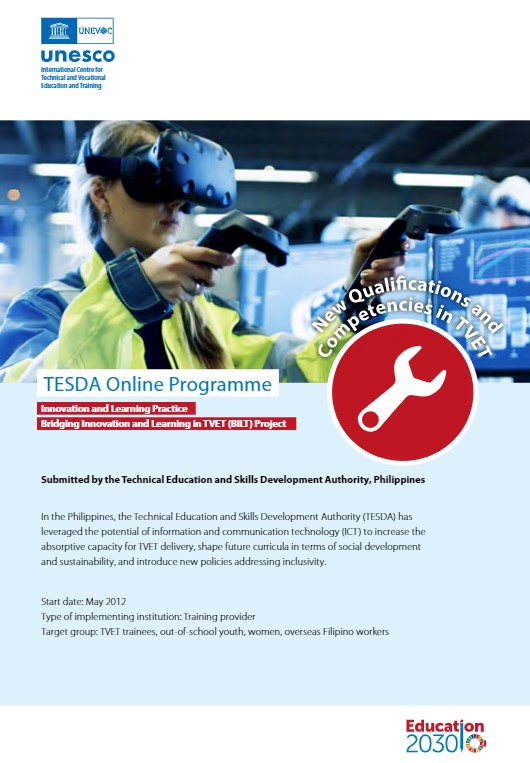

Submitted by the Technical Education and Skills Development Authority, Philippines
In the Philippines, the Technical Education and Skills Development Authority (TESDA) has leveraged the potential of information and communication technology (ICT) to increase the absorptive capacity for TVET delivery, shape future curricula in terms ...
download read more 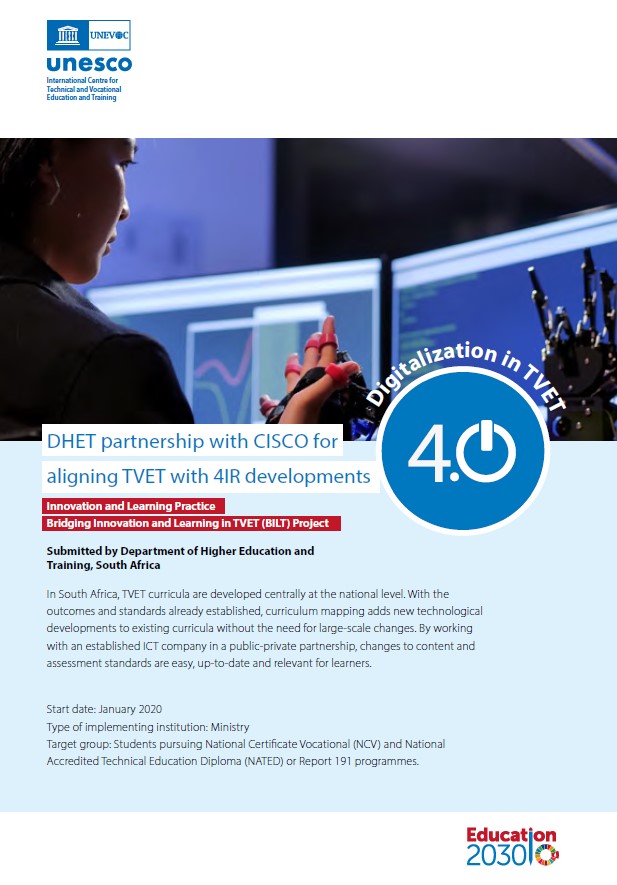
Submitted by Department of Higher Education and Training, South Africa
In South Africa, TVET curricula are developed centrally at the national level. With the outcomes and standards already established, curriculum mapping adds new technological developments to existing curricula without the need for large-scale changes. ...
download read more 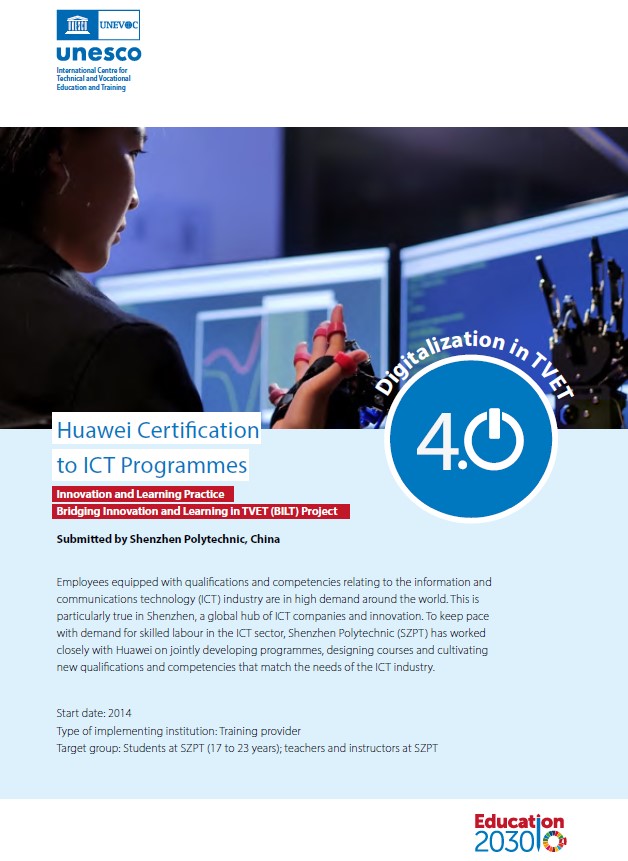
Submitted by Shenzhen Polytechnic, China
Employees equipped with qualifications and competencies relating to the information and communications technology (ICT) industry are in high demand around the world. This is particularly true in Shenzhen, a global hub of ICT companies and innovation. ...
download read more 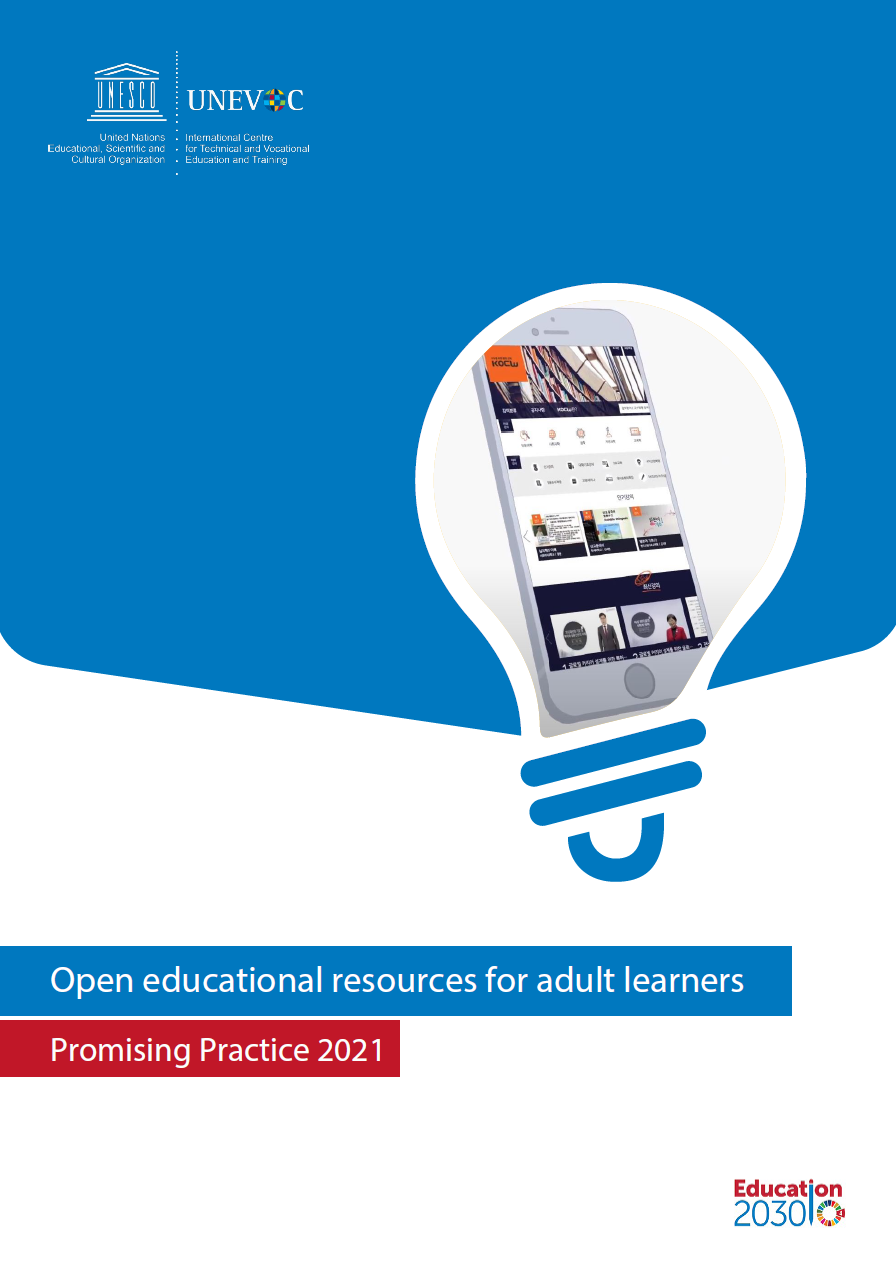
UNESCO-UNEVOC Promising Practice
The Korea Open Courseware (KOCW) is the largest platform for open educational resources (OER) in the Republic of Korea. It was set up to assist individuals wishing to access higher education learning resources by providing materials from over 224 uni ...
download read more 
UNESCO-UNEVOC Promising Practice
As a result of the COVID-19 pandemic, the government of Malaysia issued a ‘Movement Control Order’ to limit interactions and prevent the spread of the deadly virus.
This included closing educational institutions to face-to-face learning. Educa ...
download read more 
This publication has been prepared by the Inter-Agency Group on Technical and Vocational Education and Training on skills mismatch in digitized labour markets, to support experts and policymakers who wish to engage in discussion on the potential of w ...
view read more 
Today, opportunities abound for greater use of technology in assessment and credentialing to enhance the impact of TVET on economic and social development programmes. In the past, it has often been observed that the impact of TVET on social and econo ...
view read more 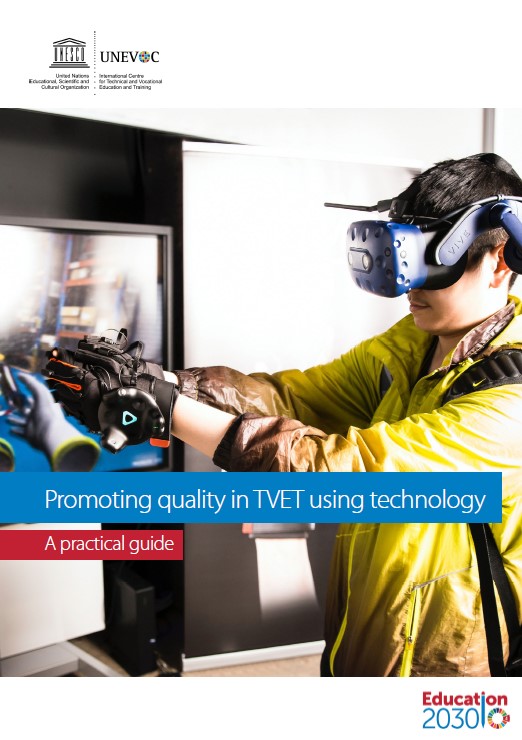
A practical guide
Technology has altered many aspects of life, including education and training. As a result of technological developments, technical and vocational education and training (TVET) has become more accessible to students, and the quality of education and ...
download read more 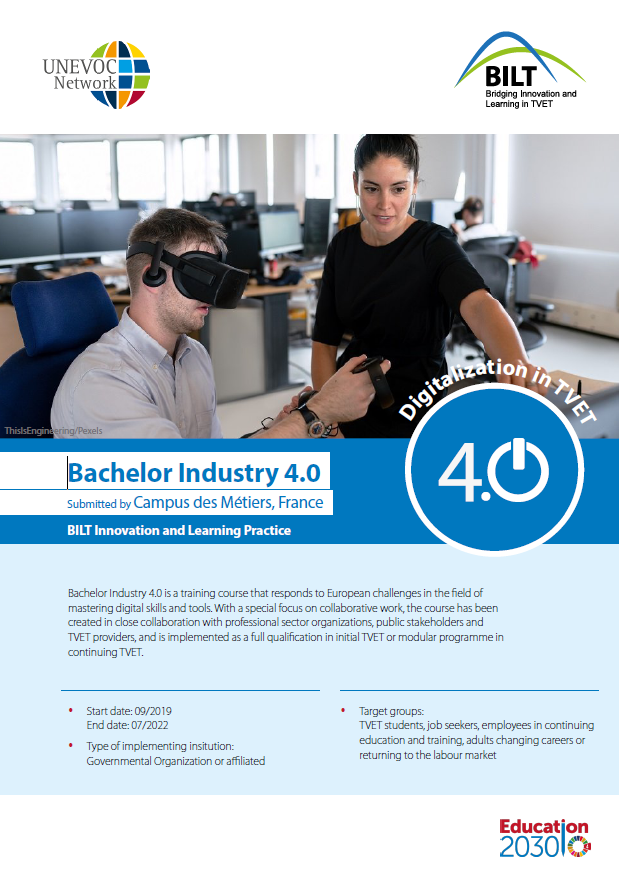
Submitted by Campus des Métiers, France
Bachelor Industry 4.0 is a training course that responds to European challenges in the field of mastering digital skills and tools. With a special focus on collaborative work, the course has been created in close collaboration with professional secto ...
download read more 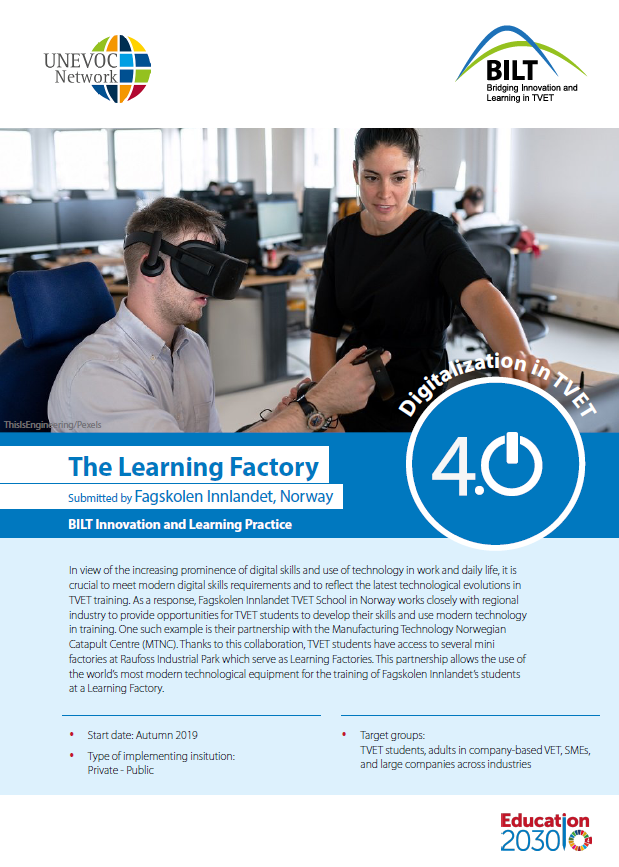
Submitted by Fagskolen Innlandet, Norway
In view of the increasing prominence of digital skills and use of technology in work and daily life, it is crucial to meet modern digital skills requirements and to reflect the latest technological evolutions in TVET training. As a response, Fagskole ...
download read more 
This policy brief examines the impact of the COVID-19 crisis on vocational education and training (VET)systems and how VET systems are responding in OECD countries. The brief also presents steps that governments can take in the context of this crisis ...
download read more 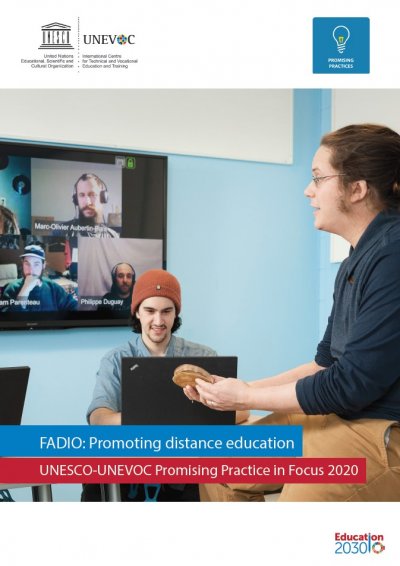
UNESCO-UNEVOC Promising Practice
FADIO represents a unique collaborative initiative that takes full advantage of education in a digital environment. Not all educational institutions have the resources to develop the pedagogical and technical aspects related to distance education on ...
download read more 



Stay in touch