


Six workshops strengthen TVET providers’ capacity to implement new qualifications and competencies
Between May and November 2024, the BILT project team implemented the BILT Self-Reflection Tool (SRT) multiplier phase. This tool and the associated methodology are designed to help TVET institutions evaluate and enhance their ability to anticipate and integrate new qualifications and competencies. Three institutions with prior SRT experience, namely the UNEVOC Centres Shenzhen Polytechnic University (SZPU, China), the Mauritius Institute of Training and Development (MITD) and the BILT partner institution Šolski center Nova Gorica (SCNG, Slovenia), acted as coach institutions, disseminating the methodology to six TVET providers in the BILT project regions Africa, Asia and the Pacific and Europe.
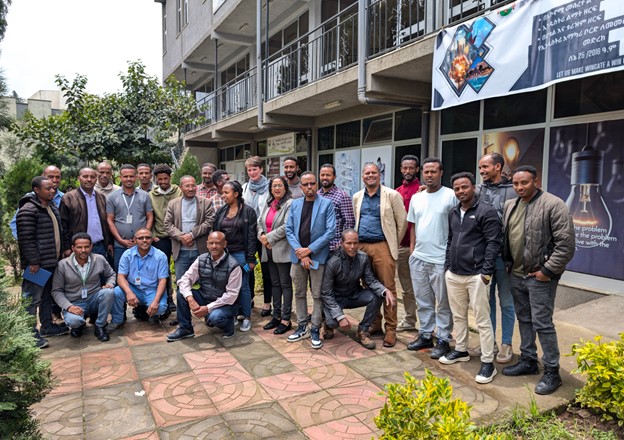
Workshop participants at General Wingate Polytechnic College
The workshops allowed for a structured assessment of the institutions’ capacity to identify new qualifications and competencies, to integrate them into curricula and to implement them in the training environment. The format involves multiple stakeholder groups including not only the management and the teaching and training staff, but also students or alumni, industry partners, and policy makers. Participants particularly appreciated the opportunity to involve the different perspectives of those groups and to have a space for open discussions. The workshops helped strengthen local networks and fostered a culture of collaboration. These networks are expected to drive future partnerships and innovation in TVET. Furthermore, the peer-learning between implementing institution and coach institution proved to be a valuable component of the activity. The outcome of each workshop was an evidence-based assessment of institutional strengths and opportunities for improvement, with the latter feeding into a tailored action plan.
The BILT team will consolidate and evaluate the experience from the multiplier phase to develop a viable format for TVET providers in the future.
To learn more about the Self-Reflection Tool, go to Self-Reflection Tool.
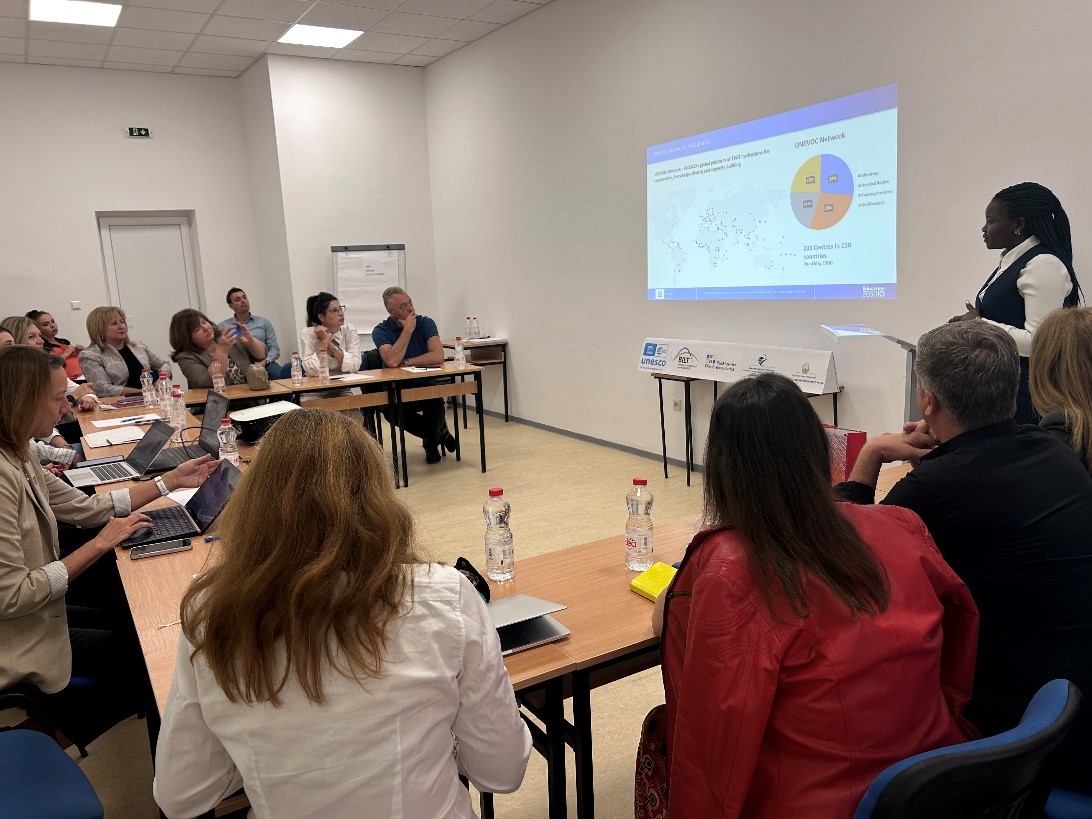
Introductory session during the self-reflection workshop at the Regional Center for Vocational Education and Training Kiro Burnaz
 Facebook
 Twitter
