Logo UNESCO-UNEVOC UNEVOC International Centre for TVET

Skills for work and life

Transforming technical and vocational education and training (TVET) for successful and just transitions

open menu
Logo UNESCO-UNEVOC

International Centre for TVET (UNEVOC)


Pandemic trends

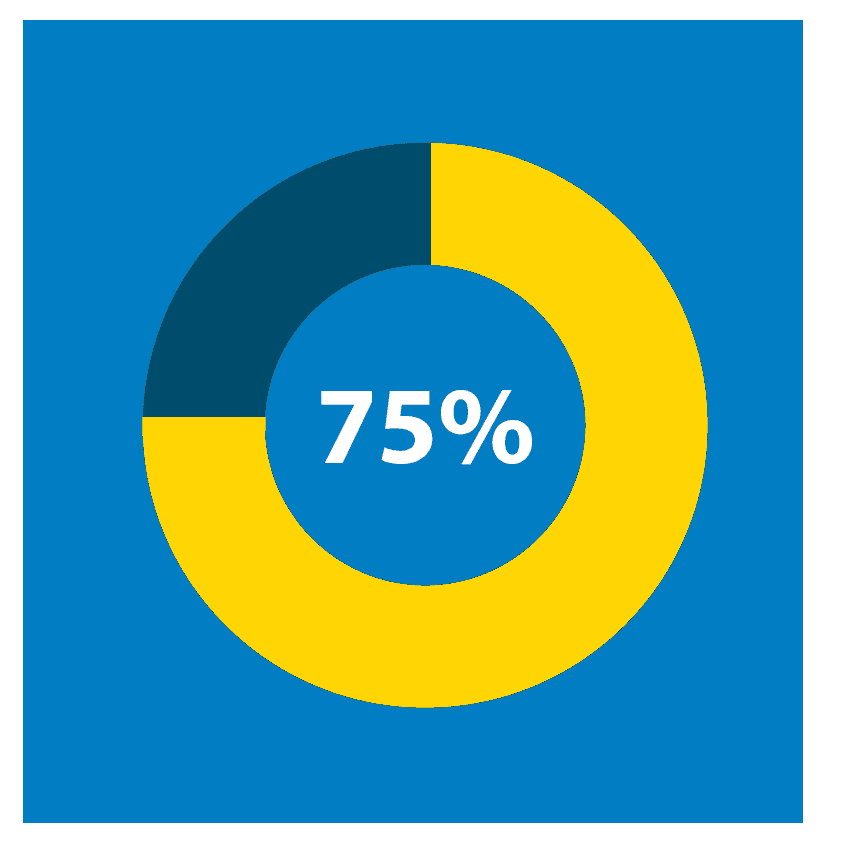
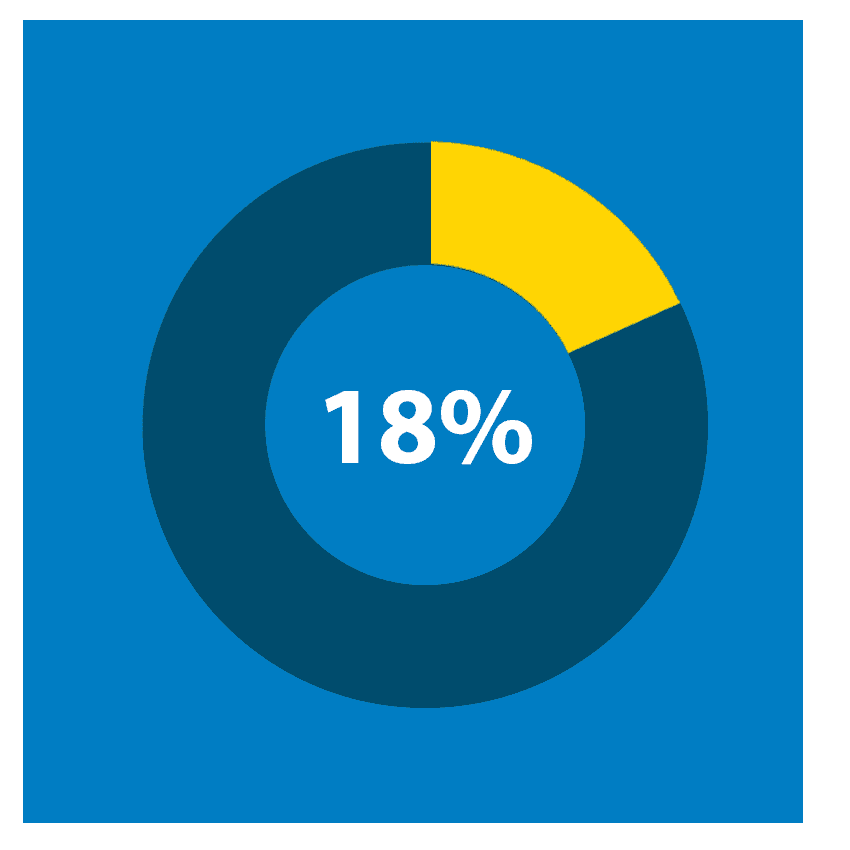
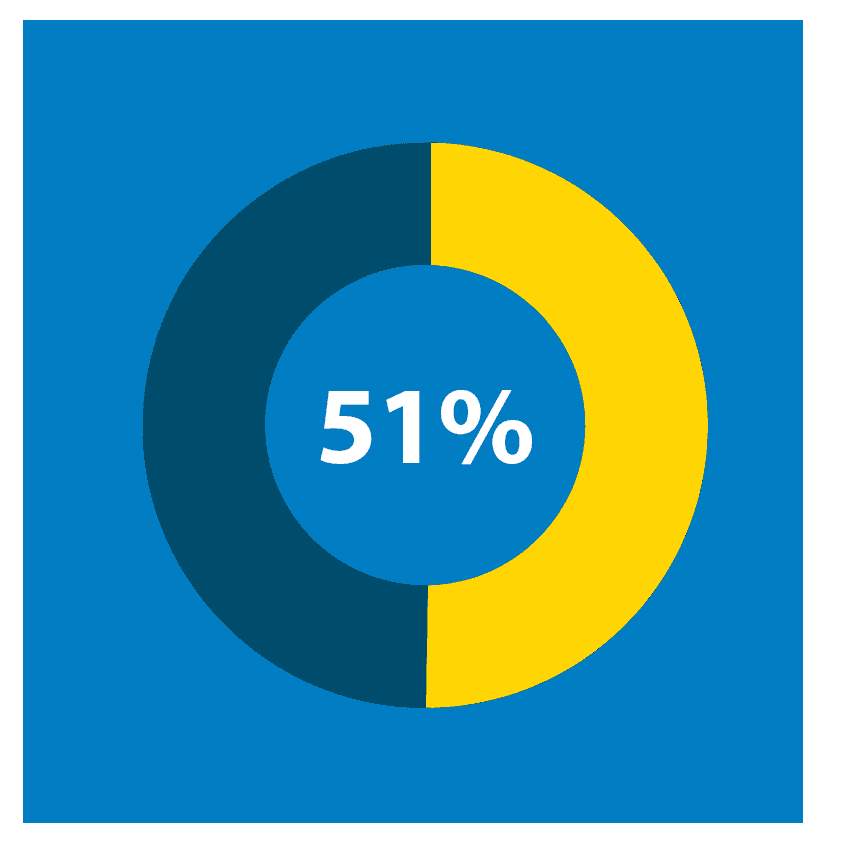
The COVID-19 pandemic has revealed countries’ different levels of preparedness for the transition to fully remote training environments. While many countries were able to put in place measures to support TVET teachers and trainers in delivering remote training – generally by providing them with digital resources and online training, sometimes complemented by technical support and help desks – the level and type of support available to TVET teaching staff differed between low-income and high-income countries.


TVET providers’ success in transitioning to fully remote training environments during the COVID-19 pandemic, by national income level


What issues prevented TVET teachers and trainers from acquiring relevant digital skills during the pandemic?

The barriers that TVET teachers and trainers faced in acquiring relevant digital skills for delivering remote/hybrid training during the pandemic came from both the supply side (e.g. lack of TVET-specific distance learning tools and resources) and the demand side (e.g. teachers’/trainers’ lack of time or willingness to engage in training amid heavier workloads and higher training costs). Few low-income countries were able to mobilise additional human and financial resources needed to support distance learning. Further details on the barriers to TVET teachers’/trainers’ digital skills acquisition during the pandemic can be found by following the link titled Barriers to digital skills development.


Promising practice: Multistakeholder partnership for training public TVET instructors on the creation and delivery of online distance learning

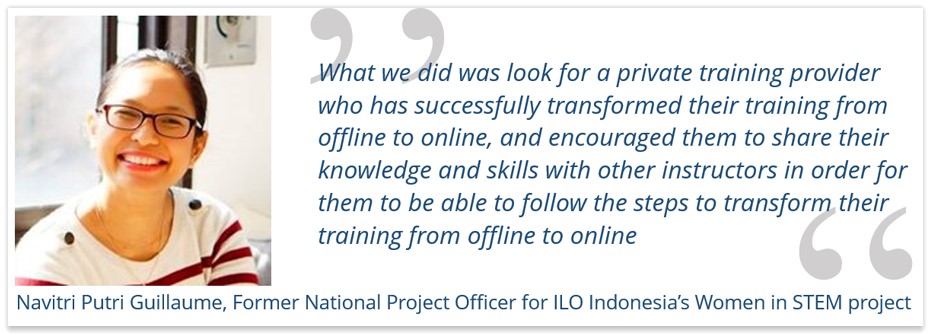
The COVID-19 pandemic disrupted the planned activities of the ILO’s Women in STEM Workforce Readiness and Development Programme. The project’s objective had been to increase the participation of women in STEM (science, technology, engineering and/or mathematics) training and education to help them gain quality employment, especially in IT fields. However, once the pandemic hit, public TVET centres in Indonesia were unable to fulfil their role in training the women, since they lacked skills and experience in delivering online training, and face-to-face training activities were forbidden. Creativity on the part of the ILO project team led to a shift in focus from female students/workers to public TVET instructors and the development of an innovative and impactful online training programme involving private sector and government partners. The result was high-quality accredited training on the creation and delivery of online training being provided to 180 public TVET instructors from 28 of Indonesia’s 34 provinces.


ILO's women in STEM promising practice


Explore UNESCO