


UNESCO Publications
Below you can find a selection of UNESCO publications that are relevant in the context of TVET. For the full catalogue, please use the UNESCO Digital library
 .
.
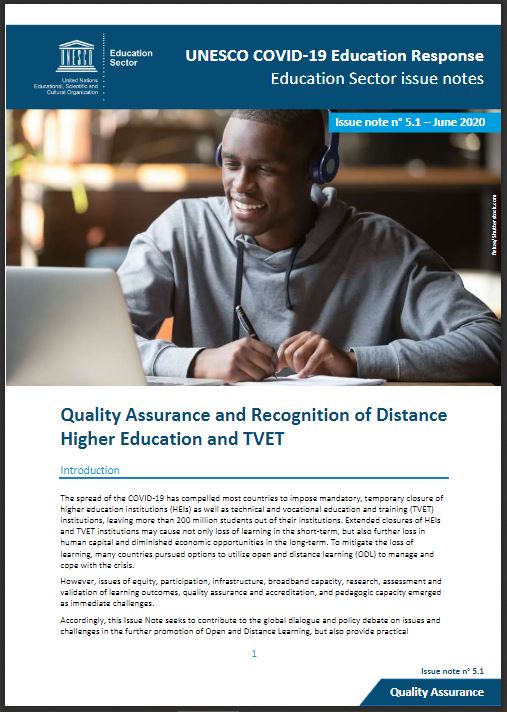

Quality assurance and recognition of distance higher education and TVET
UNESCO COVID-19 Education Response. Education Sector issue notes Issue noten°5.1–June 2020
Following the COVID-19 outbreaks, Institutions of Higher Education and TVET had to close and figure out how to continue providing their educational programmes to the students. This brought to light a set of challenges. These challenges are: lack of t ...
 view
view  read more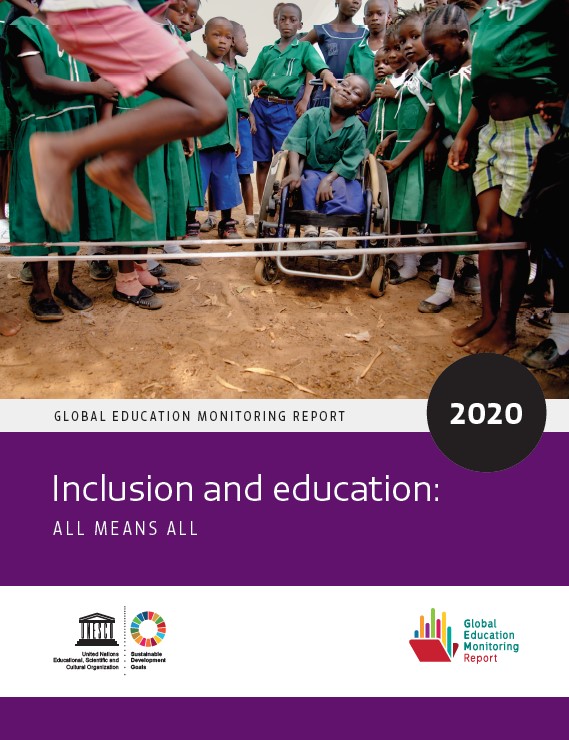
Global Education Monitoring Report 2020
Inclusion and education: All means all
The 2020 Global Education Monitoring Report looks at social, economic and cultural mechanisms that discriminate against disadvantaged children, youth and adults, keeping them out of education or marginalized in it. Spurred by their commitment to fulf ...
view read more 

Inter-Agency Group on TVET Newsletter - June 2020
The Interagency Group on Technical and Vocational Education and Training (IAG-TVET) was convened by UNESCO in 2008 to ensure a good coordination of activities by the key international organisations involved in the delivery of policy advice, programme ...
 download read more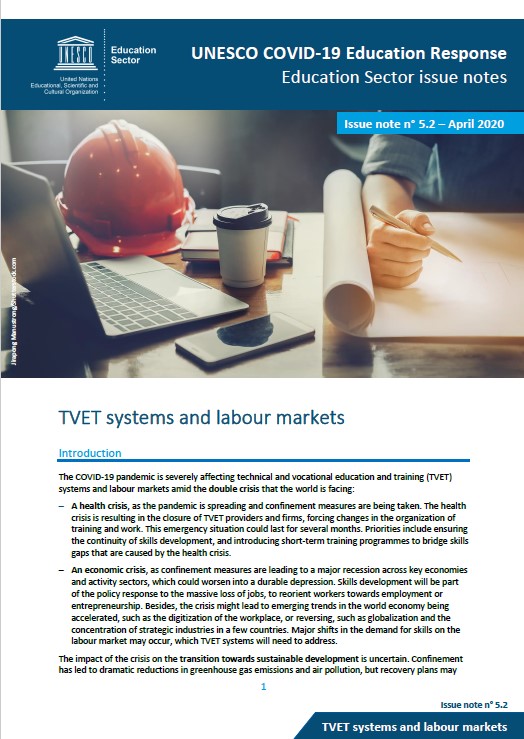
UNESCO COVID 19 Education Response - TVET systems and labour markets
The COVID-19 pandemic is severely affecting technical and vocational education and training (TVET) systems and labour markets. This issue note gives an overview of the challenges faced and some practical tips for designing policy interventions.
view read more 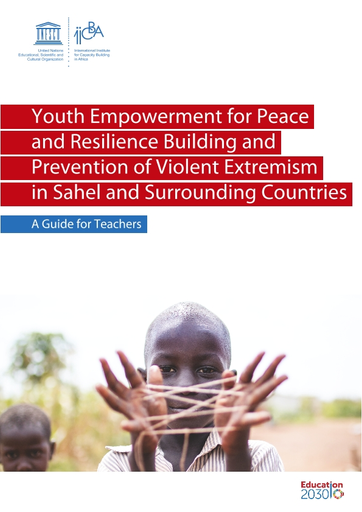
Youth empowerment for peace and resilience building and prevention of violent extremism in Sahel and surrounding countries: a guide for teachers
This publication is a guide for teachers and teacher trainers on transformative pedagogy so that they are able to empower youth with peace-building knowledge, skills and competencies necessary to develop into advocates and actors of peace. The guide ...
view read more 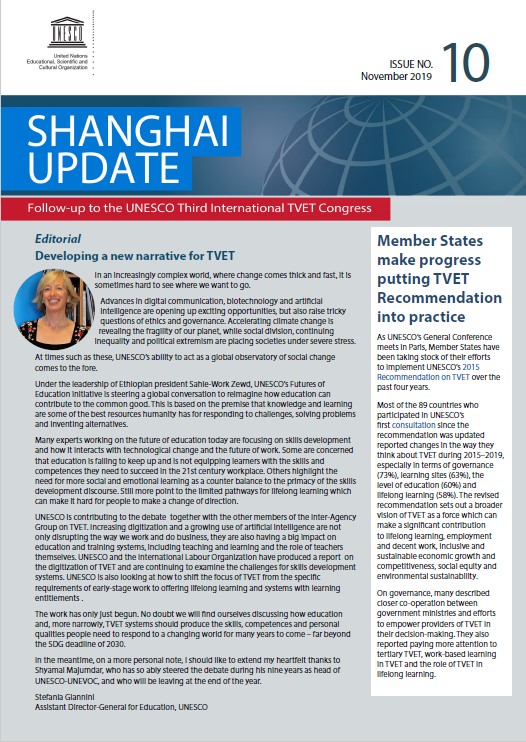
Shanghai Update 10
November 2019
The tenth issue of the Shanghai Update newsletter puts in focus the reporting on UNESCO's TVET Recommendation concerning TVET (2015) as well as the Youth Employment in the Mediterranean project. It also includes an interview with Shyamal Majumdar, pr ...
download read more 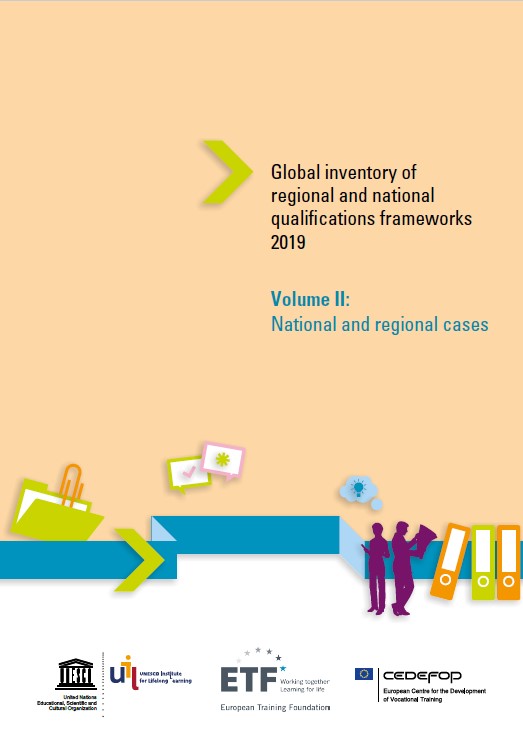
Global inventory of regional and national qualifications frameworks 2019 - Volume II
National and regional cases
The fourth edition of the Global Inventory of Regional and National Qualifications Frameworks gathers knowledge and insights from a range of contexts in which regional and national qualifications frameworks operate. In continuing this observatory fun ...
view read more 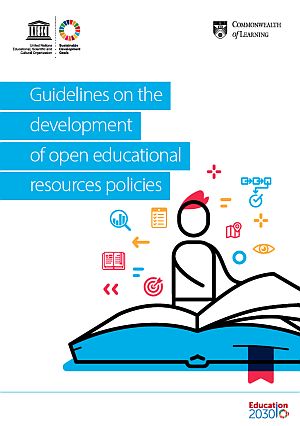
Guidelines on the development of open educational resources policies
UNESCO and the Commonwealth of Learning have been working directly with governmental agencies and institutions to support the development of national and institutional OER policies. This publication is the culmination of this. It is meant to be refer ...
view read more 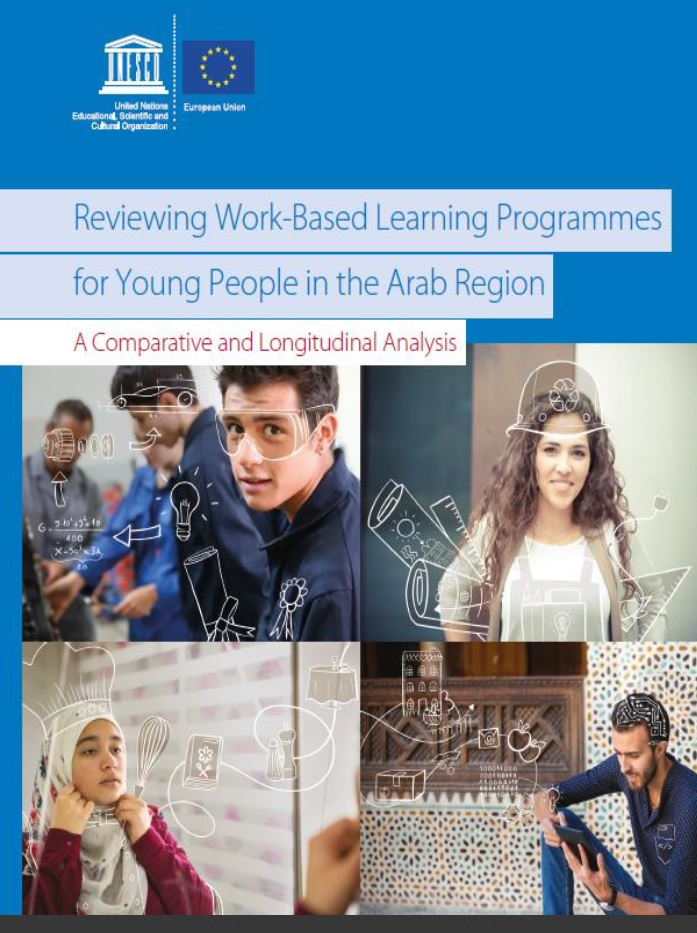
Reviewing Work-Based Learning Programmes for Young People in the Arab Region
A Comparative and Longitudinal Analysis
This report is based on eight country case studies and seeks to inform policymakers and practitioners in the Arab States, including private sector and civil society about how to design and manage effective work-based learning programmes targeting you ...
download read more 
Global education monitoring report 2019. Gender report: Building bridges for gender equality
The 2019 Gender Report is based on a monitoring framework first introduced in the 2016 Global Education Monitoring Report. In addition to focusing on gender parity in education participation, attainment and learning achievement, the framework examine ...
view read more 
Artificial intelligence in education: challenges and opportunities for sustainable development
Artificial Intelligence is a booming technological domain capable of altering every aspect of our social interactions. In education, AI has begun producing new teaching and learning solutions that are now undergoing testing in different contexts. Thi ...
view read more 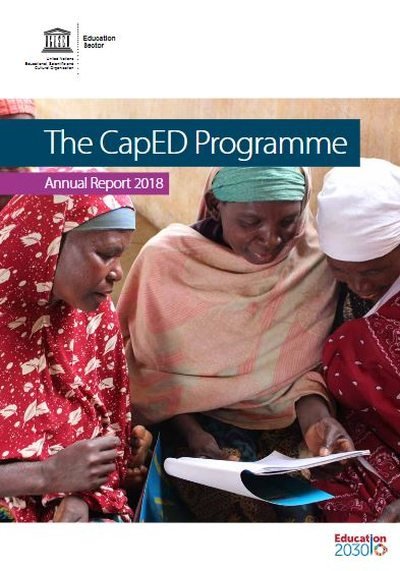
The CapED Programme: annual report 2018
Education reforms can only be effective if countries have the capacities to make them operational, with not just trained staff, but with effective organizational processes, functioning institutions and the existence of tools and resources to plan, im ...
view read more 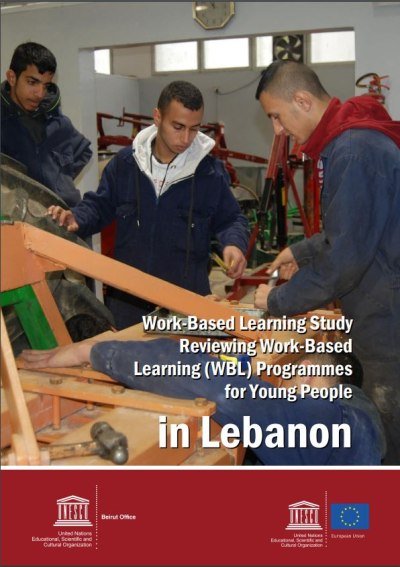
Reviewing Work-Based Learning Programmes for Young People in Lebanon
Work-Based Learning Study
This report, a UNESCO initiative, under Youth Employment in the Mediterranean (YEM) Project funded by EU, examines Work-Based Learning programmes for young people in Lebanon. The information collected and research conducted follows the methodology an ...
view read more 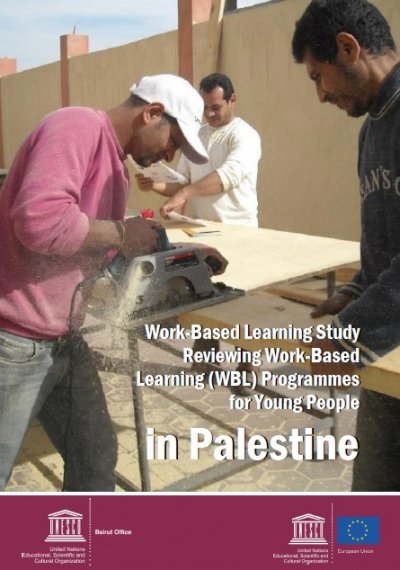
Reviewing Work-Based Learning Programmes for Young People in Palestine
WBL Study
This report, a UNESCO initiative, under Youth Employment in the Mediterranean (YEM) Project funded by EU, examines Work-Based Learning programmes for young people in Palestine. The information collected and research conducted follows the methodology ...
view read more 
Global inventory of regional and national qualifications frameworks 2019 - Volume I
Thematic chapters
The fourth edition of the Global Inventory of Regional and National Qualifications Frameworks gathers knowledge and insights from a range of contexts in which regional and national qualifications frameworks operate. In continuing this observatory fun ...
view read more 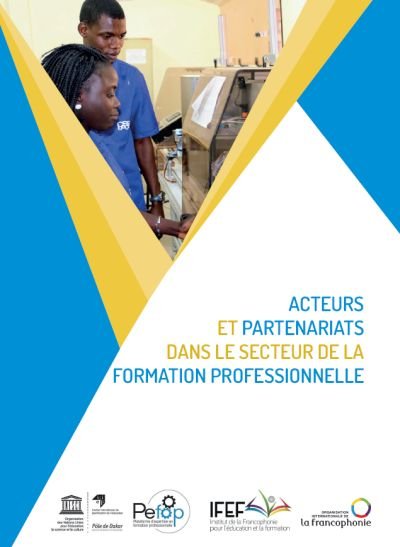
Acteurs et partenariats dans le secteur de la formation professionnelle
Une des voies reconnues pour améliorer l’efficacité des systèmes de formation professionnelle est le développement de partenariats entre acteurs publics, acteurs privés et société civile. Mais qu’entend-t-on précisément par partenariats ...
view read more 
I'd blush if I could
Closing gender divides in digital skills through education
This publication seeks to expose some of these biases and put forward ideas to begin closing a digital skills gender gap that is, in most parts of the world, wide and growing. Today, women and girls are 25 per cent less likely than men to know how to ...
view read more 
Digital Credentialing: Implications for the recognition of learning across borders
Borhene Chakroun, Chief of Section of Youth, Literacy and Skills Development at UNESCO, and James Keevy, CEO at JET Education Services, write that the use of digital technologies in education and training supports the development of learning material ...
view read more 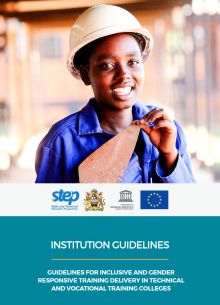
Institution guidelines: guidelines for inclusive and gender responsive training delivery in technical and vocational training colleges
Ensuring an inclusive and gender-responsive learning environment is a goal of technical and vocational institutions in Malawi. Outlined are guidelines intended for administrators and instructors in technical, entrepreneurial and vocat ...
view read more 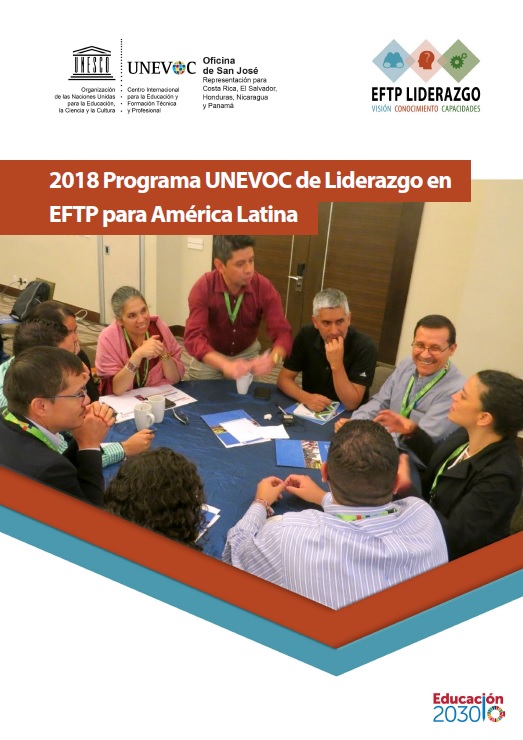
Programa UNEVOC de Liderazgo en EFTP para América Latina
En el siguiente informe, se ofrece un panorama general del Programa Regional de Liderazgo en EFTP de UNEVOC para América Latina, el cual fue celebrado en la ciudad de Panamá (Panamá) del 27 al 31 de agosto del 2018.
download read more 
Guidebook on education for sustainable development for educators
The guidebook on Education for Sustainable Development for Educators: Effective teaching and learning in teacher education institutions in Africa has been conceived as a tool to mainstream sustainability into all aspects of teacher ed ...
view read more 
Issues and trends in Education for Sustainable Development
In order to do justice to the richness and complexity of the ESD concept and ESD practices, this publication is divided into two parts: Understanding Education for Sustainable Development and Implementing Education for Sustainable Development. The fi ...
view read more 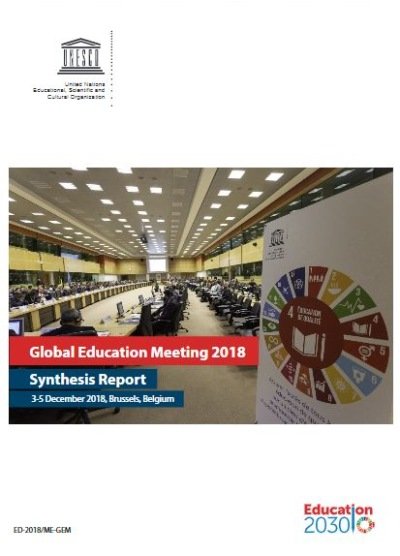
Global Education Meeting 2018: synthesis report
The report is organized into five sections. The first section synthesizes the key points from the Brussels Declaration as well as the debates and discussions from GEM 2018, clustering them around some of the main characteristics of education in the 2 ...
view read more 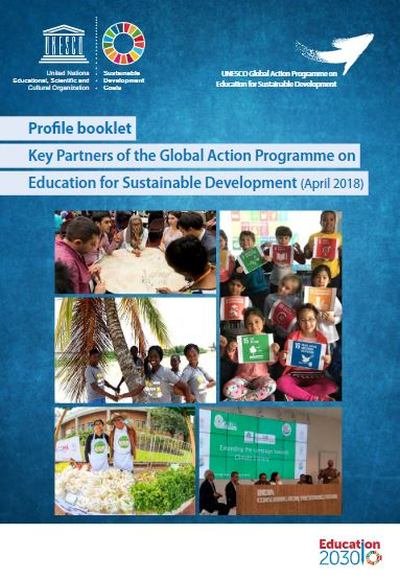
Profile booklet: key partners of the Global Action Programme on Education for Sustainable Development (April 2018)
This booklet contains profiles of the current 96 members (also called Key Partners) of the GAP Partner Networks. Each Key Partner is listed in alphabetical order within one of the five Partner Networks. Each profile ...
view read more 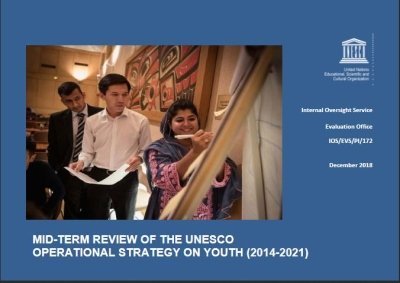
Mid-term review of the UNESCO Operational Strategy on Youth (2014-2021)
The UNESCO Operational Strategy on Youth for 2014-2021 (OSY) guides the Organization’s work on Youth in the different strands of work within UNESCO’s mandate. It aims to ensure that young women and men are engaged in policies and programmes that ...
view read more 
