


Over 180 stakeholders were engaged, including national authorities, TVET coordinating bodies and institutions, and industry representatives, to identify gaps in skills provision and the policy measures needed to address them.
Key collaborating partners in consultations and roadmap development included the Ministry of Vocational Training in Senegal, the Office of Vocational Education Commission, Ministry of Education in Thailand (OVEC - UNEVOC Centre), and the Council for Technical Education and Vocational Training in Nepal (CTEVT - UNEVOC Centre). These partners brought together key agencies and actors from across education, training, economic sectors and, where relevant, chambers of commerce and industry.
Nepal
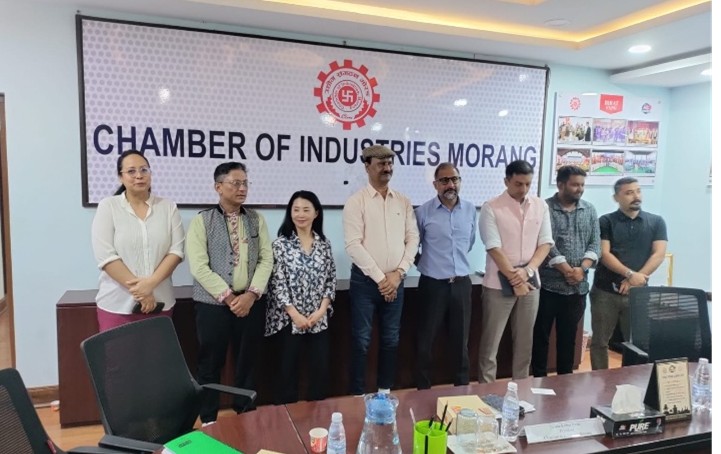 The Council for Technical Education and Vocational Training in Nepal conducted several consultations to inform a baseline study. The study reviewed national policies, strategies and sectoral frameworks relevant to TVET, environment and sustainable development. It mapped existing programmes and practices and identified priority sectors such as agriculture, tourism, construction, e-mobility and manufacturing to assess opportunities for green jobs and skill development.
The process brought together diverse perspectives from CTEVT, training providers, private sector actors, government ministries, municipalities, NGOs and development partners. The resulting report provides a clear picture of how environmental sustainability and green skills are integrated into Nepal's TVET sector, aligned with national and international frameworks. The analysed needs and priorities for greening TVET offer guidance recommendations for strategic actions in policy, curriculum development, instructor training, infrastructure and industry engagement in Nepal.
"Awareness and understanding of greening TVET in Nepal are still limited and fragmented. Most stakeholders associate green skills primarily with plantations and renewable energy, while overlooking the application of sustainability principles in broader sectors such as sustainable agriculture, eco-tourism, resources and energy efficiency, waste management and climate-resilient construction. There is a need to adopt an integrated approach to awareness and capacity development."
(Findings and recommendations of the baseline study on greening TVET)
Senegal
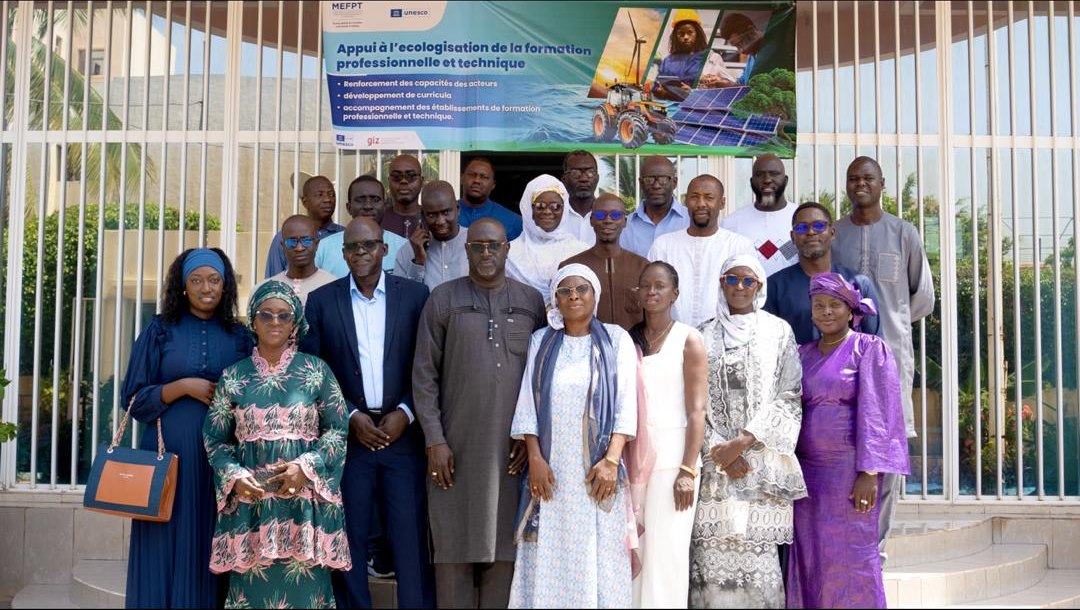 The Ministry of Employment, Vocational and Technical Training, through the Directorate General for Vocational and Technical Training, received support to organize two stakeholder training and development workshops focused on capacity building and identifying green skills and TVET challenges. The workshop also incorporated the formulation process of a greening TVET proposed roadmap for the regions of Dakar and Thies, aimed at introducing green skills in the curricula of three occupations: agriculture, industry and construction/public works. This step, considered as a ‘pilot implementation phase’ in Senegal’s context, builds on the ministry’s previous work on demand analysis and diagnosis of requirements for climate mitigation. It is expected to contribute to the development of resources useful for the Reference Framework for Professions and Skills in Agriculture, Industry and Construction and Public Works (BTP).
The developed roadmap for adapting curricula to green skill requirements is expected to be piloted in selected secondary and sectoral vocational training centres and schools in the Dakar and Thies regions, which host the majority of TVET centres in Senegal. The evaluation of results will form the basis of programme content and capacity building.
"In Senegal, sectors driving the transition to a greener, low-carbon economy are steadily emerging. These include industries rooted in natural capital—such as agriculture, forestry, fisheries, and water—as well as those based on built capital, like construction, transport, tourism, waste management and renewable energy. Together, these sectors are expected to become the country’s primary sources of employment in the coming years."
(Proposed roadmap for greening TVET in the regions of Dakar and Thies)
Thailand
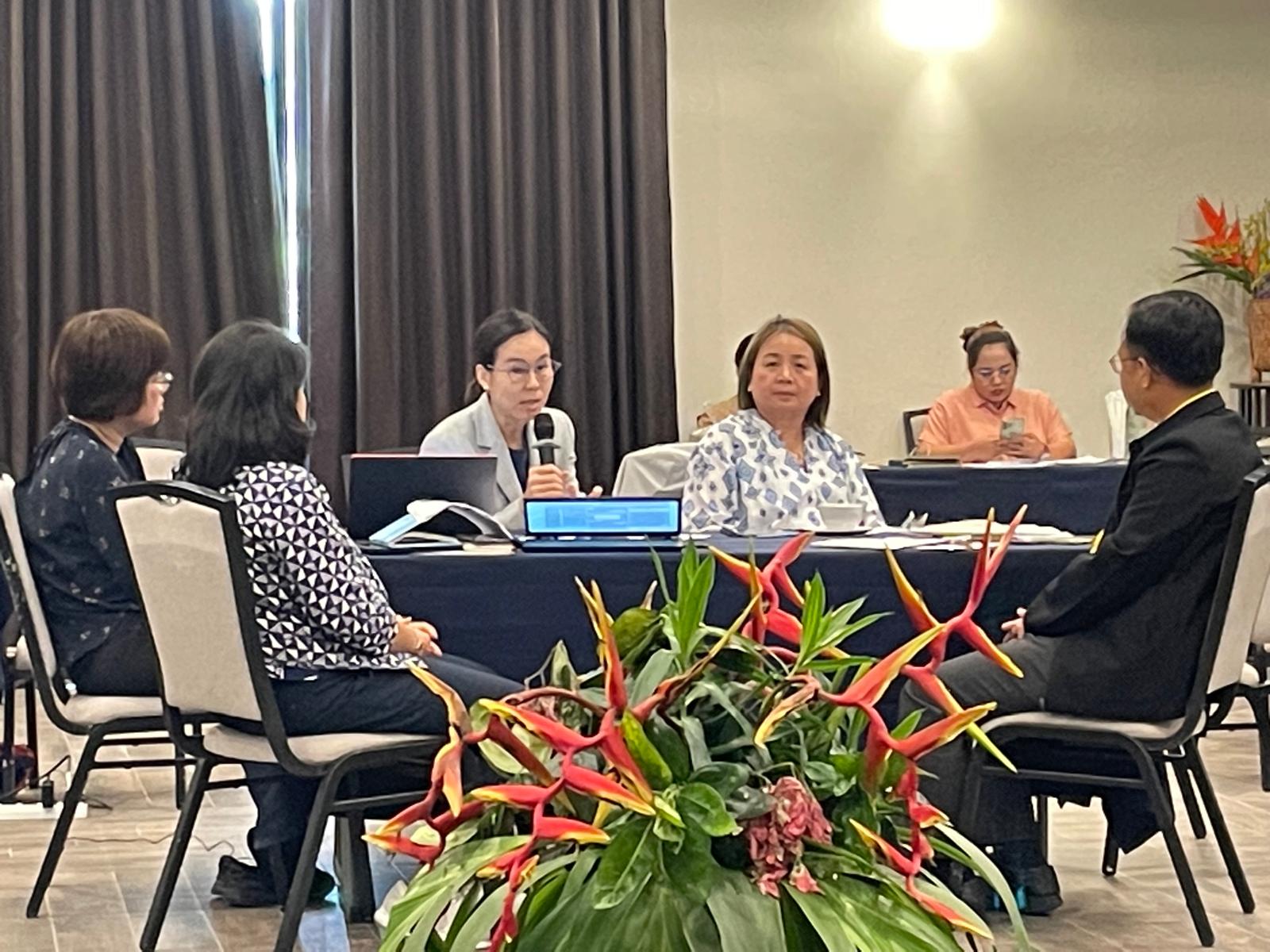 The Green TVET Roadmap (2025–2030) was developed through consultation workshops and working group meetings in Thailand and learning visits to Germany. OVEC led the process in collaboration with the departmental units for teacher professional standards and policy and planning under the Ministry of Education, the Office of National Higher Education, Science, Research and Innovation Policy Council, the Thai Professional Qualifications Institute (TPQI) and the Thai Education Council, among others. The roadmap outlines strategic directions and a practical implementation plan to advance green principles in vocational training and workforce development in Thailand. The roadmap, co-developed with technical contributions from UNESCO-UNEVOC and UNESCO Bangkok, focuses on five areas: green TVET culture; developing vocational manpower with green skills; green leadership in colleges; community engagement; and research and innovation.
Following this, a professional educators' training workshop was held in April 2025 to strengthen the capacity of Thai TVET instructors and administrators to implement greening actions at the institution level. This resulted in the capacity building of 57 Thai educators from OVEC-supervised colleges who enhanced their green competencies and pedagogical skills.
"The Green TVET Roadmap aligns with national and global goals for sustainable development. It addresses key policies … prioritizing a green economy and human capital development. The roadmap aims to bridge skill gaps and help the workforce transition to environmentally friendly careers through vocational education."
(Excerpt from Thailand’s Green TVET Roadmap 2025-2030)
Stakeholder consultations were carried out in Senegal, Thailand and Nepal as part of the GIZ-funded project. It was implemented in close collaboration with UNESCO field offices in Dakar, Bangkok and Kathmandu.
After one year and eight months, the project has concluded, reaching over 200 stakeholders engaged through consultation workshops, meetings and data collection activities, and validation and dissemination of outputs in the three countries.
More on the project:
Creating a comprehensive roadmap for green skills development in Thailand
 Facebook
 Twitter
