Logo UNESCO-UNEVOC UNEVOC International Centre for TVET

Skills for work and life

Transforming technical and vocational education and training (TVET) for successful and just transitions

open menu
Logo UNESCO-UNEVOC

International Centre for TVET (UNEVOC)


Access to Quality TVET for All

While the fundamental right to education and training has been well established and recognized within numerous political frameworks across the world, young people and adults still face difficulties accessing or completing TVET programmes. Systemic discrimination, inequalities related to course materials and school infrastructure, and discriminatory career guidance practices are examples of barriers affecting access and participation in TVET programmes. Systems and institutions must ensure equal access to technical and vocational education and training opportunities regardless of gender, age, religion or ethnic background, and with special consideration for vulnerable members of society, including persons with disabilities, indigenous peoples and children.

Gender Equality in Education

UNESCO has identified gender equality as a global priority and the international community’s commitment to gender equality in education and training is well embedded in Sustainable Development Goal 4, which aims to ensure the right to inclusive and equitable quality education and lifelong learning for all. Extending this commitment, UNESCO-UNEVOC works to promote equal access to quality TVET for all.

Gender equality unleashes the full power of education to tackle the problem of imbalanced power relations, social norms, discriminatory practices and belief systems underpinning gender-based disparities and contributing to societal exclusion. This includes the essential first step of ensuring gender parity - equal numbers and proportions of girls and boys enrolled in and completing different levels of education. Gender equality is, however, much more than that; it speaks to the birth of a new era of education that considers the needs, interests and lived experiences of all learners, and which tackles the intersecting and simultaneous disadvantages that may inhibit a child, youth or adult from fully exercising their right to participate in, complete and benefit from education.


Boosting Gender Equality in Science and Technology

Overall, female representation in TVET is lower in comparison to general education programmes; the UNESCO Institute for Statistics estimated that 43% of students enrolled in vocational programmes at the upper secondary (ISCED 3) in 2017 were female, compared to 49% in general education programmes (UIS Data).

These gender disparities are more prevalent in some fields than in others, with girls and women particularly under-represented in fields requiring science, technology, engineering and mathematic (STEM) skills and knowledge: women account for only 35% of STEM students in higher education globally (UNESCO 2018). This under-representation is significant and detrimental to both individuals and society. In addition to being required for ‘traditional’ and ‘emerging’ occupations, STEM skills and knowledge are often needed for the so-called ‘jobs of the future’ - driving innovation, inclusive growth and sustainable development.

While much of the focus to date has been on the participation of girls and women in school and university STEM education, there has been relatively little attention paid to the participation of girls and women in STEM-related TVET. Recognizing the gap in TVET-specific data and literature, UNESCO-UNEVOC conducted a study on boosting gender equality in science and technology throughout 2019 and 2020. The report on this study was published at the end of 2020 and provides an overview of gender disparities in STEM-related TVET for ten countries. The ten case countries were selected in collaboration with members of UNESCO’s global platform of TVET institutions, the UNEVOC Network.


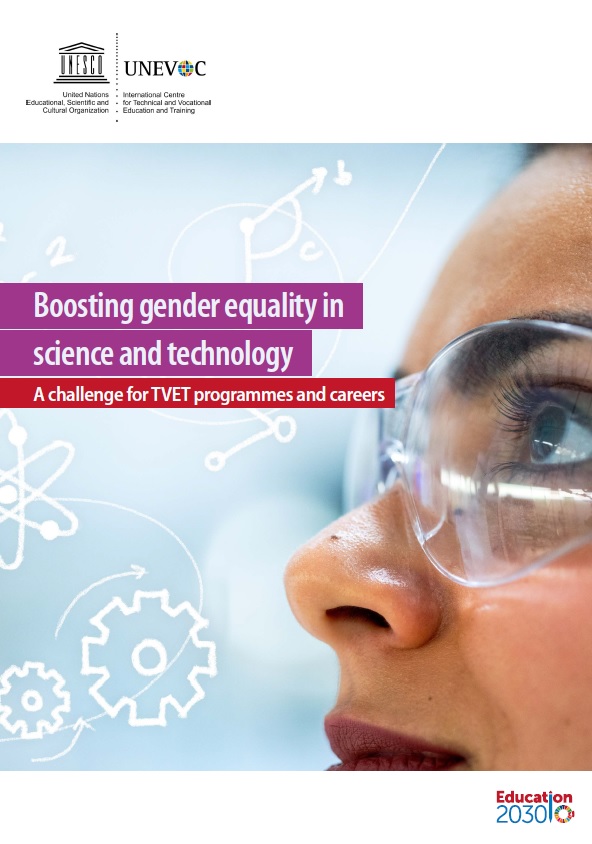
Boosting gender equality in science and technology

A challenge for TVET programmes and careers
While technical and vocational education and training (TVET) has the potential to bolster the participation of women in the labour market, this potential is not always well understood and capitalized on. In general, female students are lowly represen ...

download     read more    


Find out more about our work on the following cross-cutting thematic areas:

News & Activities

17 March 2026
Championing gender equality and social inclusion across the UNEVOC Network
Following the launch of the UNESCO-UNEVOC Gender Equality and Social Inclusion (GESI) programme in November 2025, nominated GESI focal points from the UNEVOC Network have completed a series of capacity-building programmes, comprising seven modules on the UNESCO Online Learning Platform and five live webinars.
read more

Publications & Resources


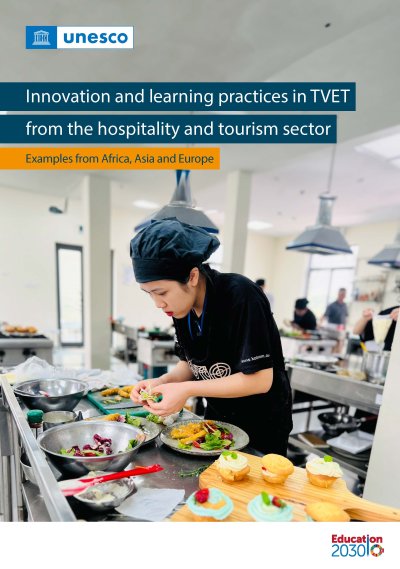
Innovation and learning practices in TVET from the hospitality and tourism sector

Examples from Africa, Asia and Europe
This publication presents 10 Innovation and Learning Practices that were selected based on their contribution to identifying new qualifications and competencies in an efficient manner, integrating them into appealing curricula and training regulation ...

view     read more    


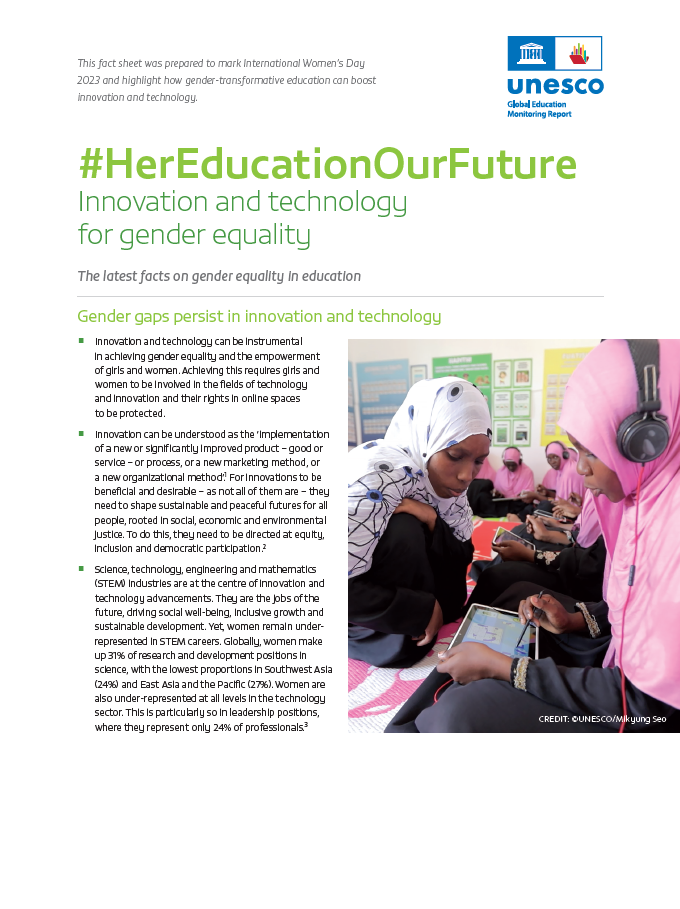
#HerEducationOurFuture: innovation and technology for gender equality

The latest facts on gender equality in education
This fact sheet was prepared to mark International Women’s Day 2023 and highlight how gender-transformative education can boost innovation and technology.

view     read more    


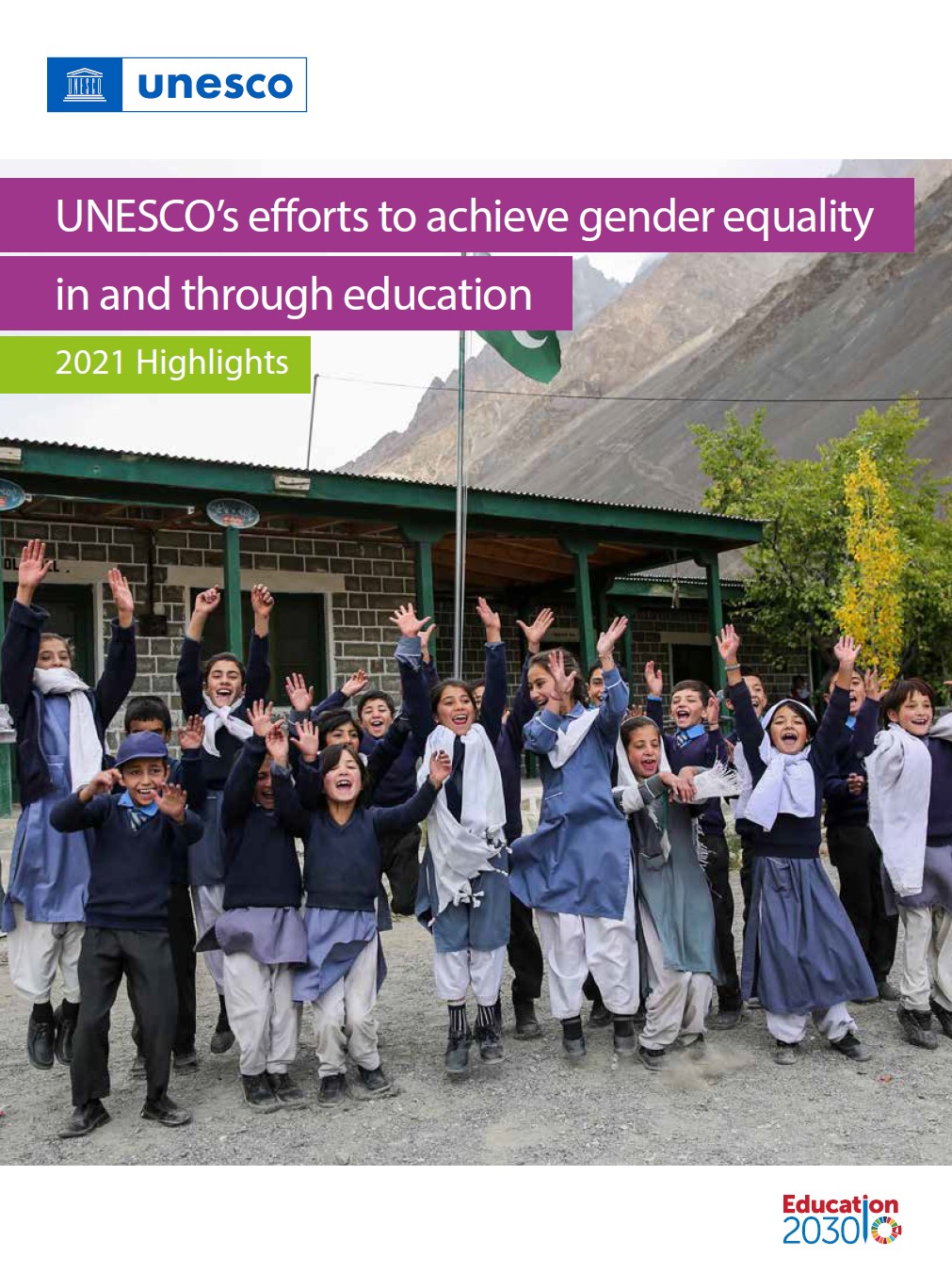
UNESCO’s efforts to achieve gender equality in and through education

2021 Highlights
Significant progress has been made in advancing gender equality and girls’ and women’s education. UNESCO data shows that girls’ enrolment has improved dramatically over the past 25 years; 180 million more girls are enrolled in primary and s ...

view     read more    


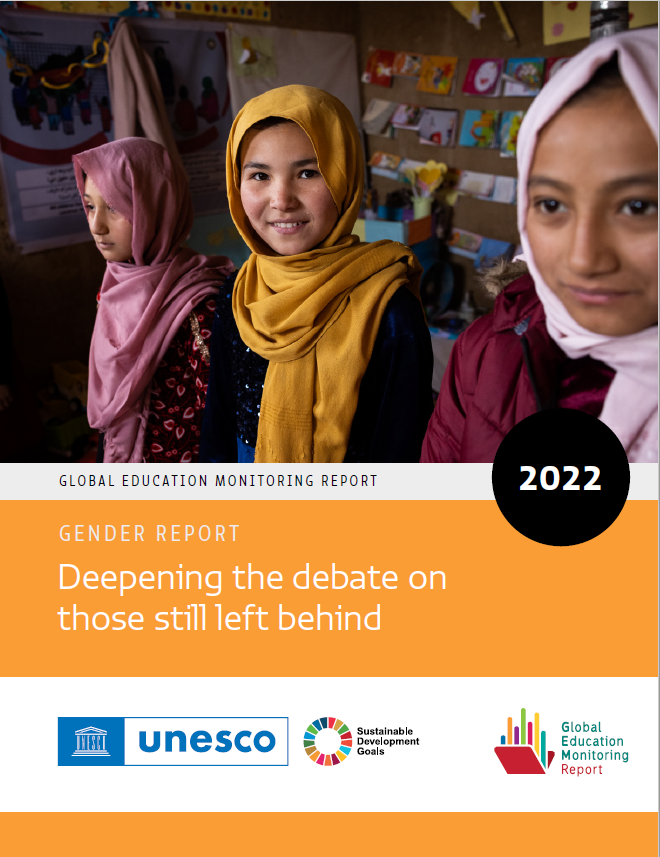
Global education monitoring report 2022: Gender report, deepening the debate on those still left behind

The 2022 Gender Report presents fresh insights on progress towards gender parity in education with respect to access, attainment and learning. It showcases the results of a new model that provide coherent estimates, combining multiple sources of info ...

view     read more    


Promising & Innovative Practices


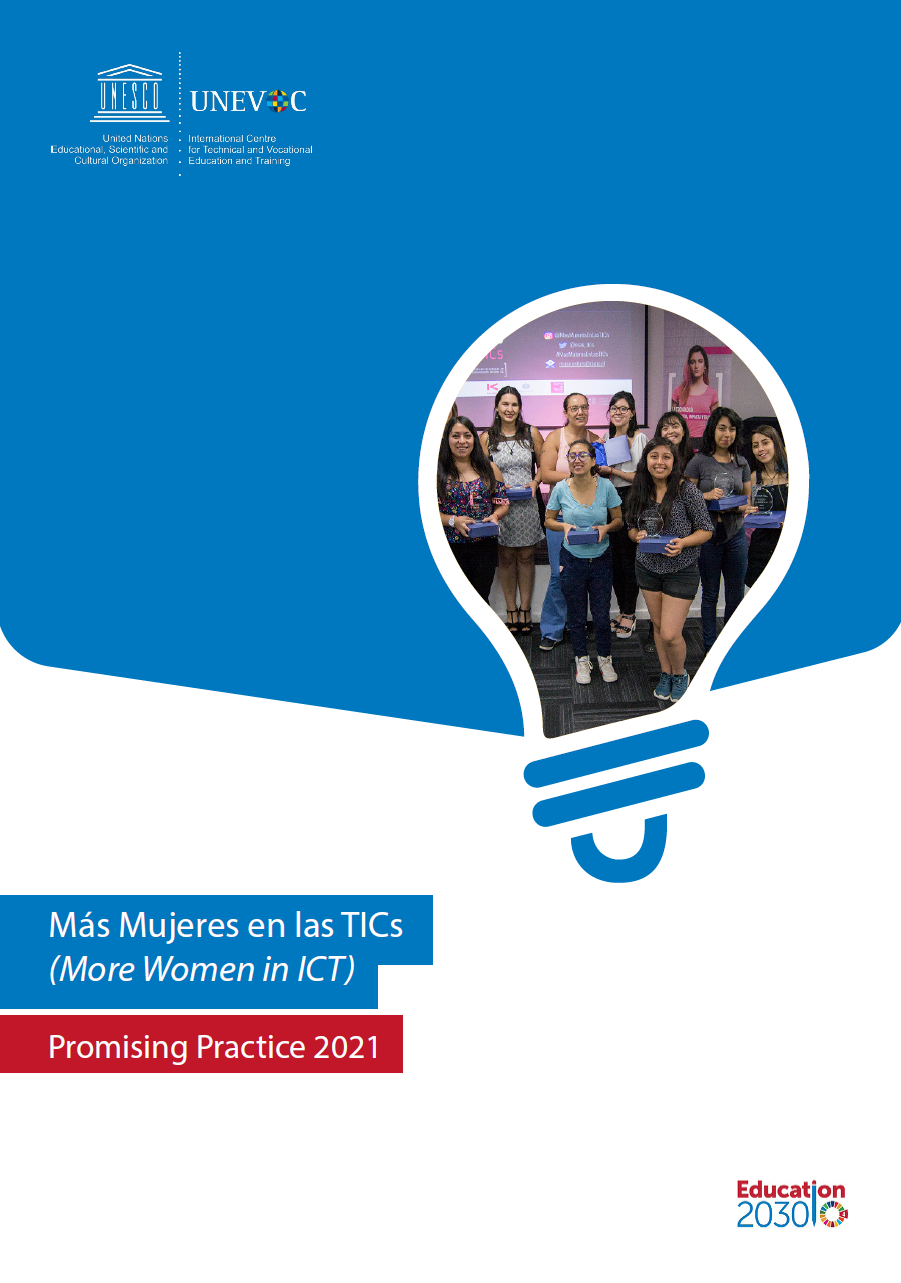
More Women in ICT
UNESCO-UNEVOC Promising Practice

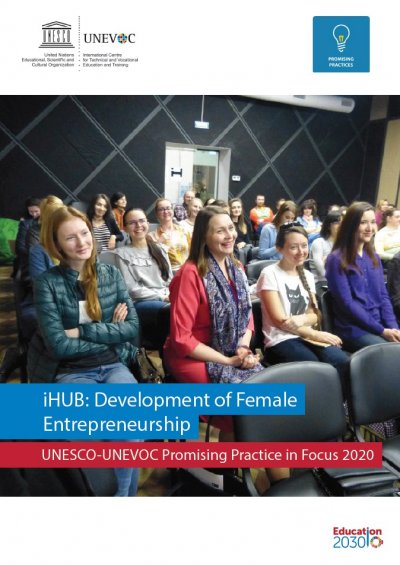
Development of female entrepreneurship
UNESCO-UNEVOC Promising Practice

Transforming lives through code training
UNESCO-UNEVOC Promising Practice

Empowering rural women through ICT in TVET
UNESCO-UNEVOC Promising Practice