


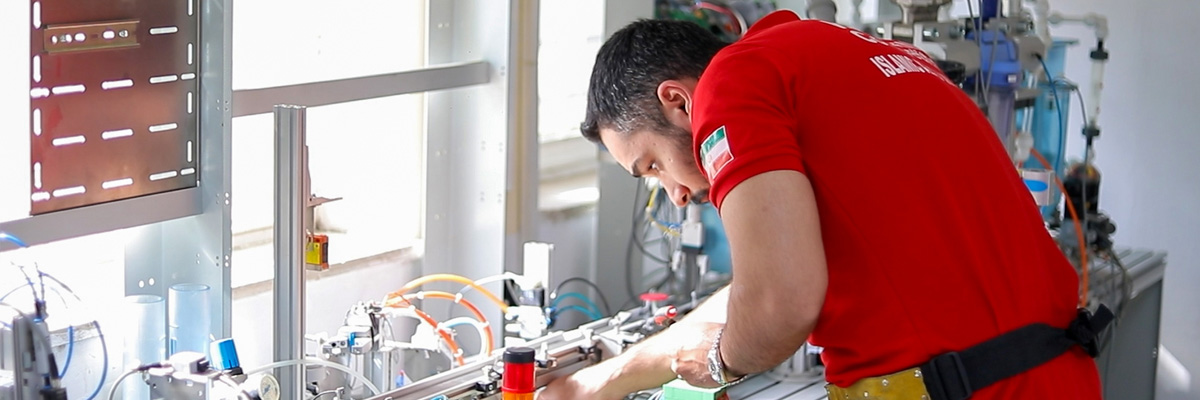
Innovating Iran’s TVET Instructor Training Center
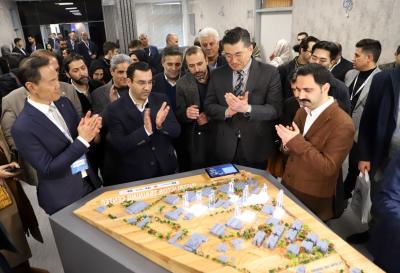
The project was formally launched on 17 December 2024 in Karaj, Iran, led by the Deputy Minister of Labor and President of Iran Technical and Vocational Training Organization (TVTO), Dr. Gholam Hosein Mohammadi; ITC Head Mr. Arash Akhavan Tabasi; UNESCO Tehran Office’s (UTO) Head, Mr. Ieng Srong; Ambassador of the Republic of Korea to Iran, H.E. Mr. Kim Junpyo; Regional Adviser for TVET in UNESCO, Mr. Wilson Lima Junior; UNESCO-UNEVOC Programme Officers Ms. Kenneth Barrientos and Mr. Kenny Muscat and UTO Project Officer Mr Salman Bahrami. The event marked the start of the implementation phase, focused on facility upgrade, capacity building, support for upskilling of youth and industry engagement.
The project focuses on the innovation of Iran’s ITC, a UNEVOC Centre. The project aims to enhance the capacities of master trainers, managers and researchers of ITC, aligning their roles and competencies with the expectations and demands of an industrial and digital economy and in lockstep with constant industry evolution.
Why it is needed
Iran scores relatively high in terms of literacy and higher education enrolment. In line with governmental efforts, vocational training facilities and equipment and the pedagogical methods employed at ITC demand more innovative action to align the training provisions with emerging trends to meet the demand for new skills in the jobs market or to adapt to new technologies which are reshaping industrial practice.
What the project will do
To continue the efforts made thus far on economic resilience and growth, the TVET workforce needs to be equipped with skills that meet today’s industry standards and the emerging demands of a rapidly changing economy. Innovating Iran’s Instructor Training Center (ITC) will address these challenges so that TVET graduates are better prepared to contribute to Iran’s emerging industries. The project is supported by the Korea International Cooperation Agency (KOICA) and is implemented by UNESCO.
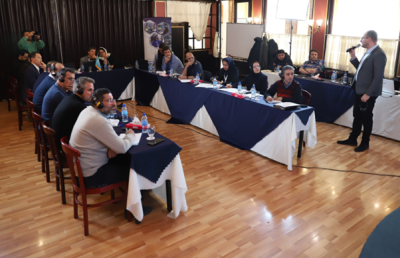
The project's inception phase confirmed that by innovating facilities and technology, the project will be able to contribute in upgrading ITC’s infrastructure to foster quality, technology-ready, industry-relevant training in critical trades and professional skills sectors in Iran. The project will also boost ITC's provision of inclusive vocational programmes, career mentoring and specialized training to low-skilled and unskilled youth to support them for a green, digital and entrepreneurial future.
Creating lasting impact
The innovation initiative of ITC will directly benefit up to 400 managers, master trainers, researchers, IT staff, instructors and decision makers and up to 3,000 learners. Just as importantly, it will have an impact on more than 1 million TVET trainees over time.
The project will create a dynamic, industry-aligned training environment and as the changes ripple out from trainer to trainee, make TVET a cornerstone of workforce development in Iran. A fully innovative ITC will drive youth employability, particularly among the most vulnerable populations and foster industry confidence and engagement, fostering sustainable job creation and economic growth.
By investing in the development of trainers and facilities and strengthening partnerships with industry, the project will create a roadmap to a TVET system that is modern, innovative and in synch with industry needs.
 Facebook
 Twitter
