Logo UNESCO-UNEVOC UNEVOC International Centre for TVET

Skills for work and life

Transforming technical and vocational education and training (TVET) for successful and just transitions

open menu
Logo UNESCO-UNEVOC

International Centre for TVET (UNEVOC)


TVET Teachers’ and Trainers’ Digital Skills Development

Harnessing the benefits and tackling the challenges of digitalization depends largely on the digital capacities and capabilities of TVET teachers and trainers. To prepare learners to function effectively in today’s digitalized workplace and digital society, TVET teachers and trainers need to be able to:
  • apply new pedagogical approaches, instructional tools and/or educational technologies to deliver learner-centred, future-oriented teaching and training; and
  • competently use digital tools, technologies and resources to deliver pedagogically effective online or offline distance learning.
TVET teachers and trainers also need not only training on how to apply digital tools and services to improve students' acquisition of knowledge and skills, but also time to integrate digital tools and technologies into their teaching and learning practices. They also require technical support to quickly overcome issues when they arise.

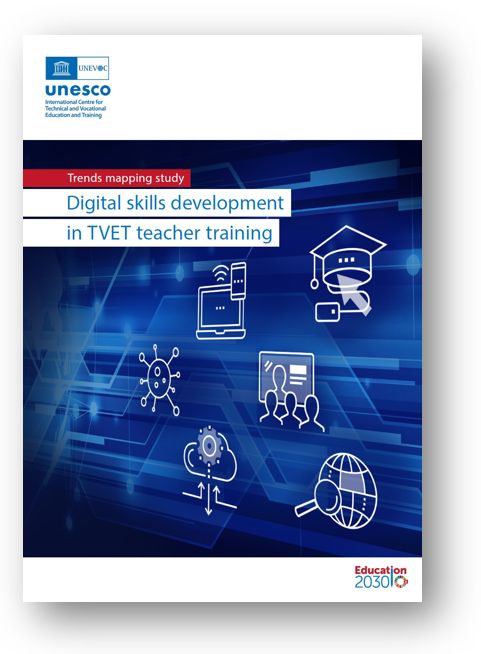
The UNESCO-UNEVOC trends mapping study on digital skills development in TVET teacher training provides a snapshot of trends and challenges before and during the COVID-19 pandemic, and examines how countries have responded to the need to move to remote learning environments. The study also provides some examples of how TVET teachers and trainers have been supported to develop the skills and competencies needed to use digital tools, services and technologies to deliver quality, learner-centred education and training.

Watch the webinar

Click here for further information on the webinar.


Digital capabilities of TVET teachers and trainers prior to the COVID-19 pandemic

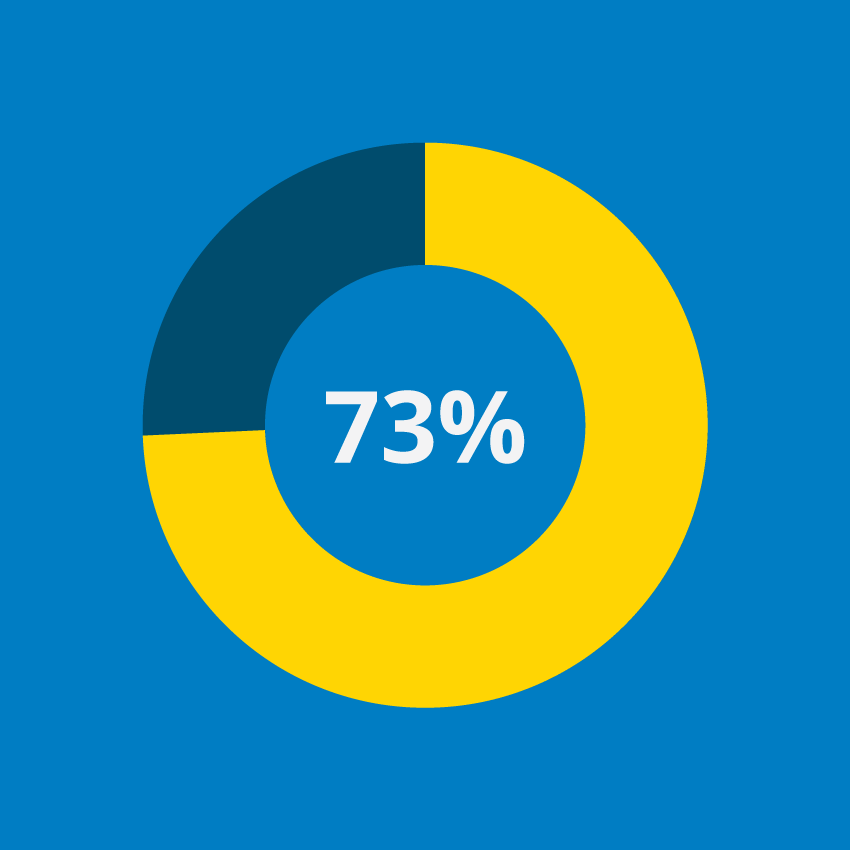
73% of TVET practitioners globally had received training in ICT/digital skills.

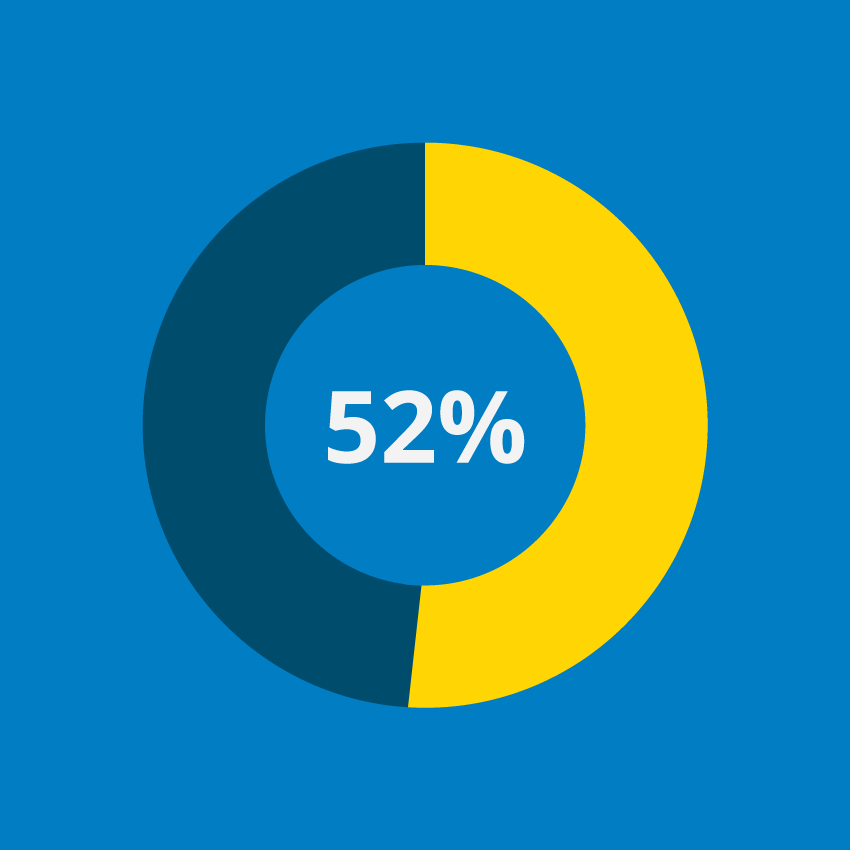
52% of TVET practitioners globally had received training in distance learning.

1 in 2 secondary teachers in Africa had received the minimum required teacher training, which seldom built their digital skills.

1 in 3 TVET providers globally had never delivered training remotely.
In Africa the proportion was 2 in 3.


Pandemic trends

How prepared were TVET providers for COVID-19 emergency measures?

As the above trends show, prior to the COVID-19 pandemic, a significant proportion of TVET teaching staff lacked digital skills, especially competence and experience in delivering TVET remotely, which affected TVET institutions’ capacities to respond appropriately when the pandemic hit. Explore more data and information on TVET providers’ success in transitioning to fully remote training environments during pandemic school closures.


Learn more


Barriers to digital skills development

What issues prevented TVET teachers and trainers from acquiring relevant digital skills and applying them?

Barriers TVET teachers/trainers faced in acquiring relevant digital skills have come from both the supply side (e.g., lack of access to training the use of ICT for teaching) and the demand side (e.g., teachers’/trainers’ unwillingness to participate in digital skills training). The barriers differ across countries: generally speaking, high-income countries have been better able to offer digital skills training. TVET teachers/trainers also faced barriers in applying the digital skills they acquired owing to lack of access to digital tools, relevant training opportunities and/or employer support, which affected their confidence, capacity and/or attitudes towards use of digital technologies for teaching and/or delivering TVET.


Learn more


Promising concepts for tackling digitalization challenges

How can digitalization in TVET be advanced through policies and practices focused on improving TVET teacher and trainer digital skills development?

The UNESCO-UNEVOC trends mapping study provides details of several promising concepts and practices that may help countries to overcome some of the challenges preventing them from advancing digitalization in TVET through TVET teacher and trainer training. The promising practices are featured in all of the linked pages in the purple blocks at the bottom.


Learn more


Promising practice: Enhance Digital Teaching Platform

A national training needs analysis conducted by the UK Education and Training Foundation (ETF) prior to the start of the pandemic showed that 59% of further education and training providers in England urgently needed training on how to use digital and other new technologies for teaching and learning (source). In response to these findings, the ETF hired a project manager to lead on EdTech and digital skills, and undertook a positioning review to better understand the barriers to and enabling factors for the use of technology in teaching and training. The results of the positioning review informed the design of the Enhance Digital Teaching Platform, which supports innovation in teaching and training by offering free, bite-sized, certified, online self-learning training modules mapped to the Digital Teaching Professional Framework (DTPF), a set of professional standards for supporting learning through technology. Launched in January 2019, the Enhance Digital Teaching Platform was able to be mobilized to assist teachers/trainers in designing online learning environments during the pandemic.


UK ETF's Enhance Digital Teaching Platform


Explore UNESCO